What Is Hill Dickinson Stadium?
Everton's new ground on the Liverpool waterfront goes by two names and replaced a 130-year-old home. Here is what Hill Dickinson Stadium is, where it stands, how big it is, and whether you can go inside.
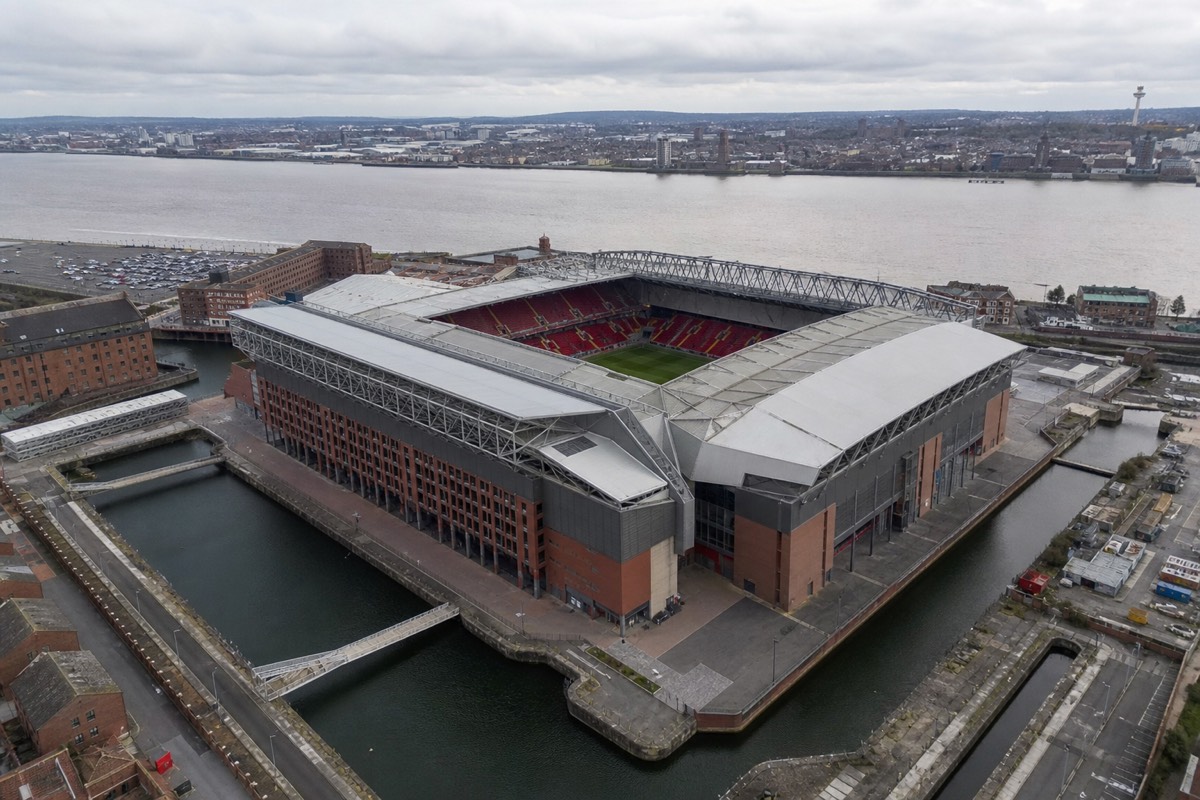
Hill Dickinson Stadium is Everton Football Club's new home, a roughly 52,800-seat ground on Bramley-Moore Dock on the Liverpool waterfront. It opened for the 2025-26 season, replacing Goodison Park after more than 130 years, and takes its commercial name from Hill Dickinson, a Liverpool-founded law firm.
People ask about it constantly, and not only Everton fans. We run the Liverpool Stadium Tour at Anfield, and visitors planning a football trip to the city now want to know what the shiny new ground on the river actually is, whether they can go inside, and how it fits with a visit to Anfield. Here is the plain version, no jargon.
Why is it called the Hill Dickinson Stadium?
The stadium is named after Hill Dickinson, a Liverpool-founded international law firm that bought the naming rights in 2025. Everton's own planning name for the ground is simply Everton Stadium, so you will see both names used for the same place on Bramley-Moore Dock.
Naming rights are how modern clubs help pay for a new build, and Everton agreed the deal with Hill Dickinson ahead of the first season on the dock. The firm has deep roots in the city, which made it a natural fit rather than a random corporate badge. In everyday use, older supporters and some match listings still say Everton Stadium or "the new ground", while tickets, signage and tour operators tend to lead with Hill Dickinson Stadium. Both are correct.
Where is the Hill Dickinson Stadium?
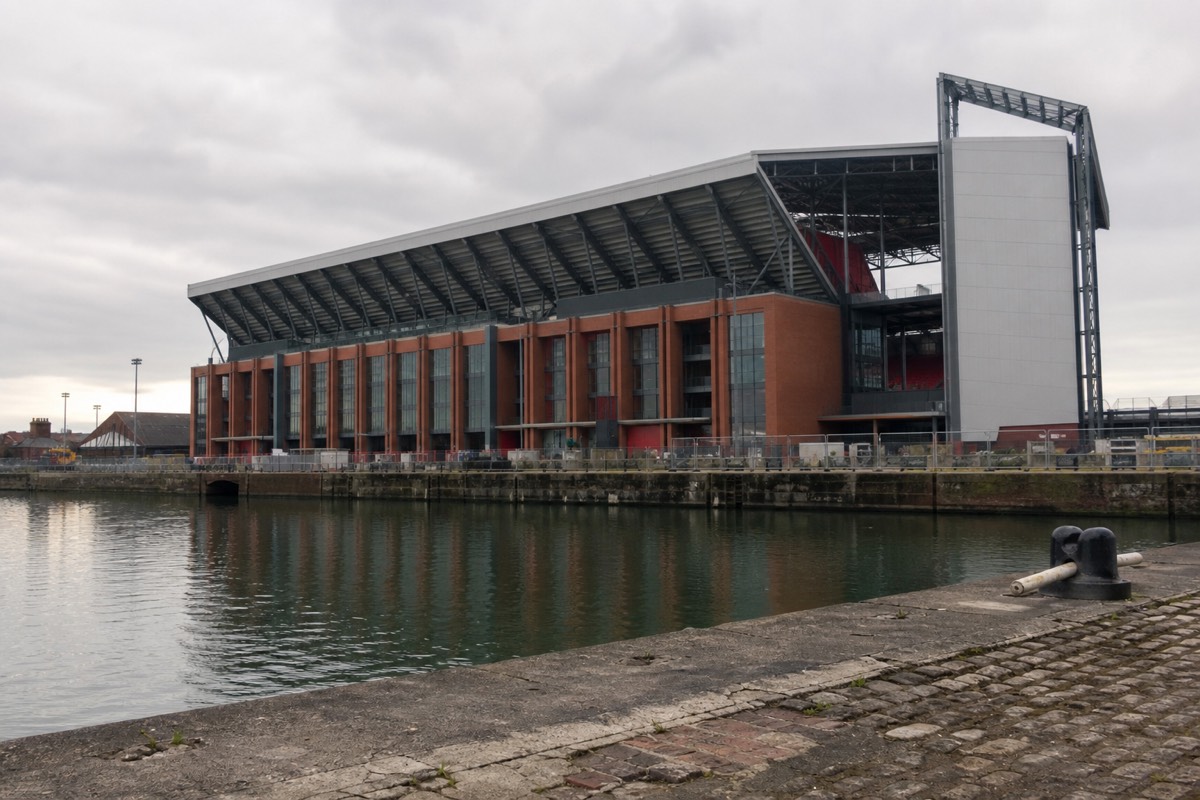
The Hill Dickinson Stadium stands on Bramley-Moore Dock, a former Victorian dock on the River Mersey in Vauxhall, just north of Liverpool city centre. It is a waterfront ground in the truest sense, built into working dockland rather than dropped onto a ring road.
That location is a big part of the story. Everton did not build on the edge of town; they built on the river, on a dock that is part of Liverpool's UNESCO-recognised maritime heritage, which made the whole project unusually complicated. The upside for a visitor is a genuinely striking approach along the water, with the Mersey on one side and the city's dockland behind. It is walkable from the centre in around half an hour, and the tourism board's guide to the Liverpool waterfront is a useful primer if you are pairing a look at the stadium with the Albert Dock.
When did Everton move in, and what did it replace?
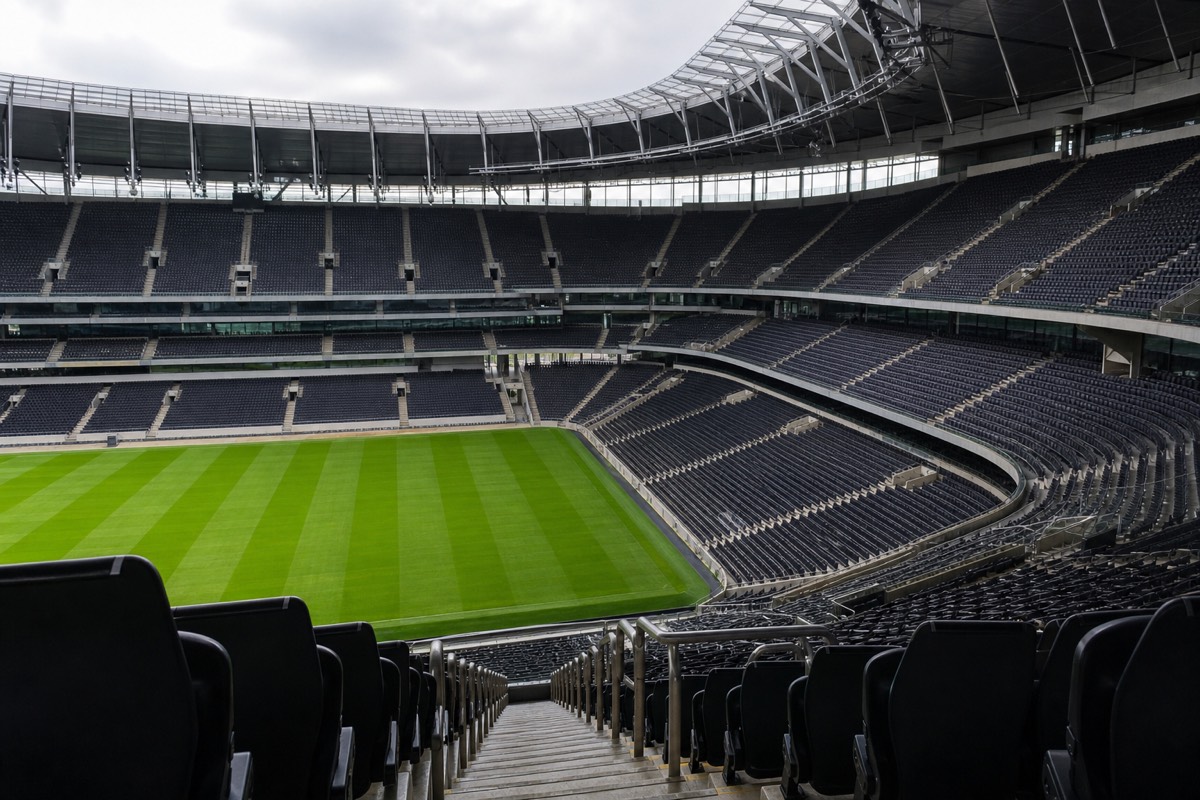
Everton, the Toffees, moved to the Hill Dickinson Stadium for the 2025-26 season, playing their first competitive match there on 24 August 2025. It replaced Goodison Park, the club's home since 1892 and one of English football's oldest grounds.
The switch was the biggest change in Everton's history. Goodison sat tight among terraced streets in Walton for well over a century, steep and close and loud, but too small and too hard to expand for the modern game. The move to the dock ended that era. The club ran a series of test events at the ground through the first half of 2025, filling it in stages to check the operation before opening for real. The first competitive fixture followed in August, a 2-0 win over Brighton in front of a crowd of 51,759. The stadium's full record tracks the build, the opening and the numbers.
How big is the Hill Dickinson Stadium?
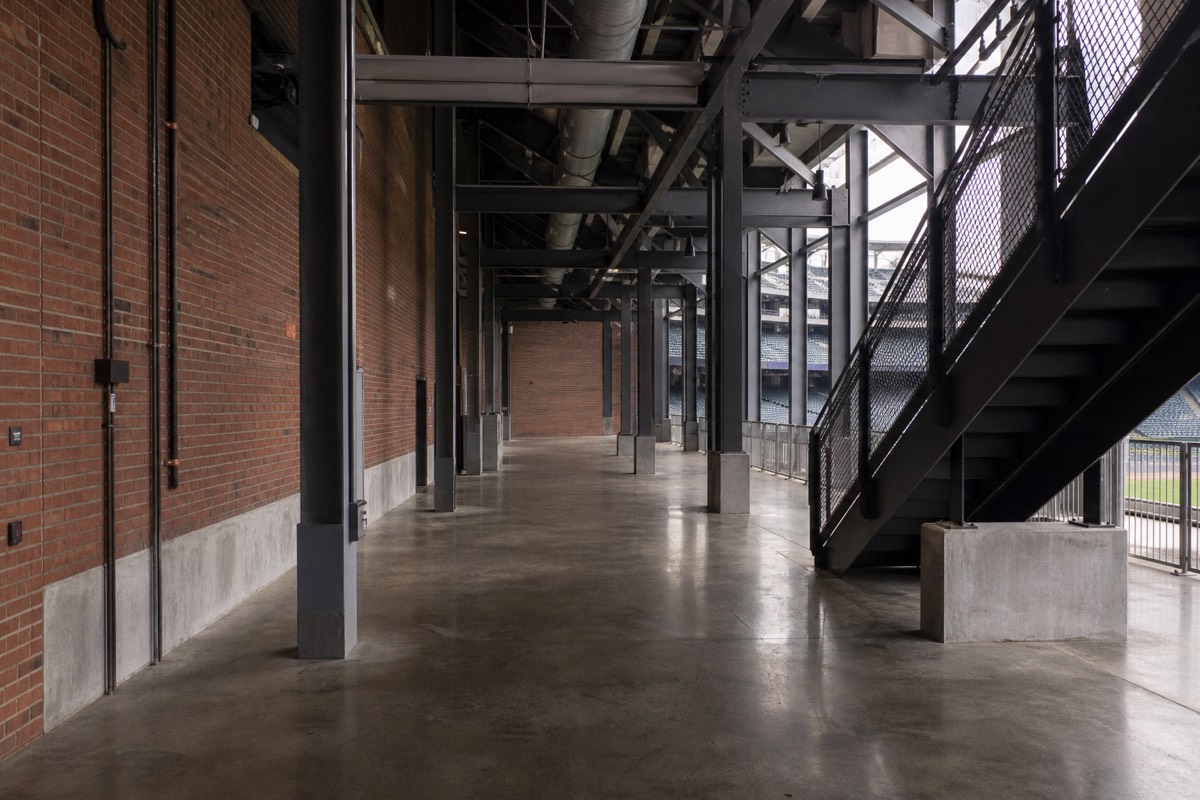
The Hill Dickinson Stadium holds just under 53,000, with published capacity figures around 52,800. That is roughly 13,000 more than Goodison Park, and it was designed with a steep single-tier home end to keep the noise that the old ground was known for.
Capacity figures for the ground have been published between about 52,769 and 52,888, so the safe way to state it is just under 53,000. Whichever number you take, it is a large modern stadium, bigger than Goodison's just-under-40,000 and built for comfort as well as size, at a cost reported at around 750 million pounds. That move lifts Everton from one of the smaller top-flight grounds at Goodison to a big, modern venue, without pushing it to the very largest in the league. The design, by MEIS Architects with BDP Pattern, puts a tall single-tier stand behind one goal, the feature meant to carry the atmosphere across from the old ground.
Can you visit or tour the Hill Dickinson Stadium?
Yes. Everton runs guided stadium tours at the Hill Dickinson Stadium, taking small groups behind the scenes on non-match days. Adult tickets are around $35, and you book online through the live listing.
The tour is the way to see inside a ground that is otherwise only open on matchdays. It goes behind the scenes and leans heavily on the design and the dock setting, which is a different pitch from an older stadium's trophy-and-history tour. Our full guide to the Everton stadium tour covers tickets, the route and how to reach the dock. And if you are deciding between the two Liverpool grounds, our comparison of Anfield or Hill Dickinson weighs one against the other for a visitor with limited time.