Everton Hill Dickinson Stadium Tour: Tickets & What to Expect (2026)
Everton's brand-new home on Bramley-Moore Dock is one of the newest grounds in English football, and its guided tour takes you behind the scenes. Here is what tickets cost, what you see, how to reach the dock, and how it stacks up against Anfield.
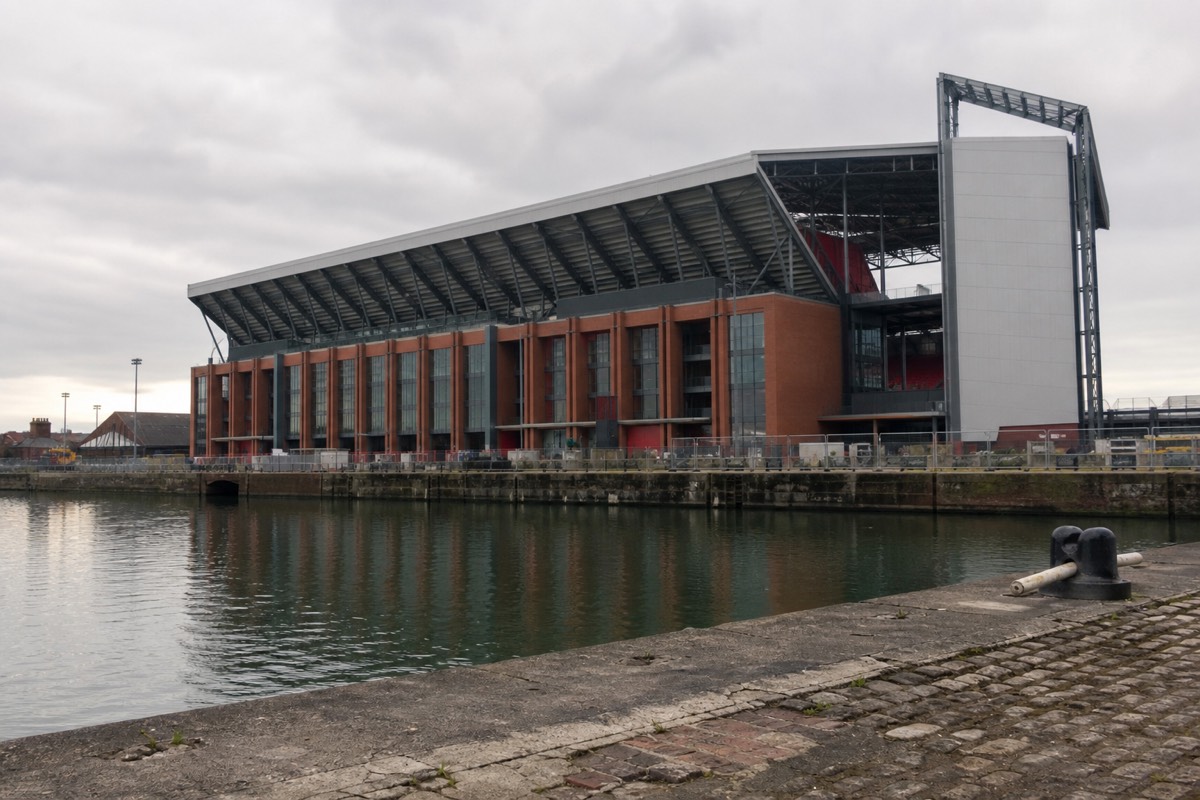
Liverpool has two football grounds worth touring now, not one. We run the Liverpool Stadium Tour at Anfield, and since Everton moved across the city to the waterfront we get asked about the new place almost daily: how the tour works, what a ticket runs to, whether it earns a slot on a trip that was really meant to be about Anfield. This is the honest rundown of the Everton Hill Dickinson Stadium tour, from tickets to what you actually walk through, with the practical side of reaching Bramley-Moore Dock and fitting it around the rest of a Liverpool weekend.
Hill Dickinson Stadium at a glance
Key facts for Everton's new ground on Bramley-Moore Dock. Capacity figures published between about 52,769 and 52,888, so read the total as just under 53,000.
What is the Everton Hill Dickinson Stadium tour?
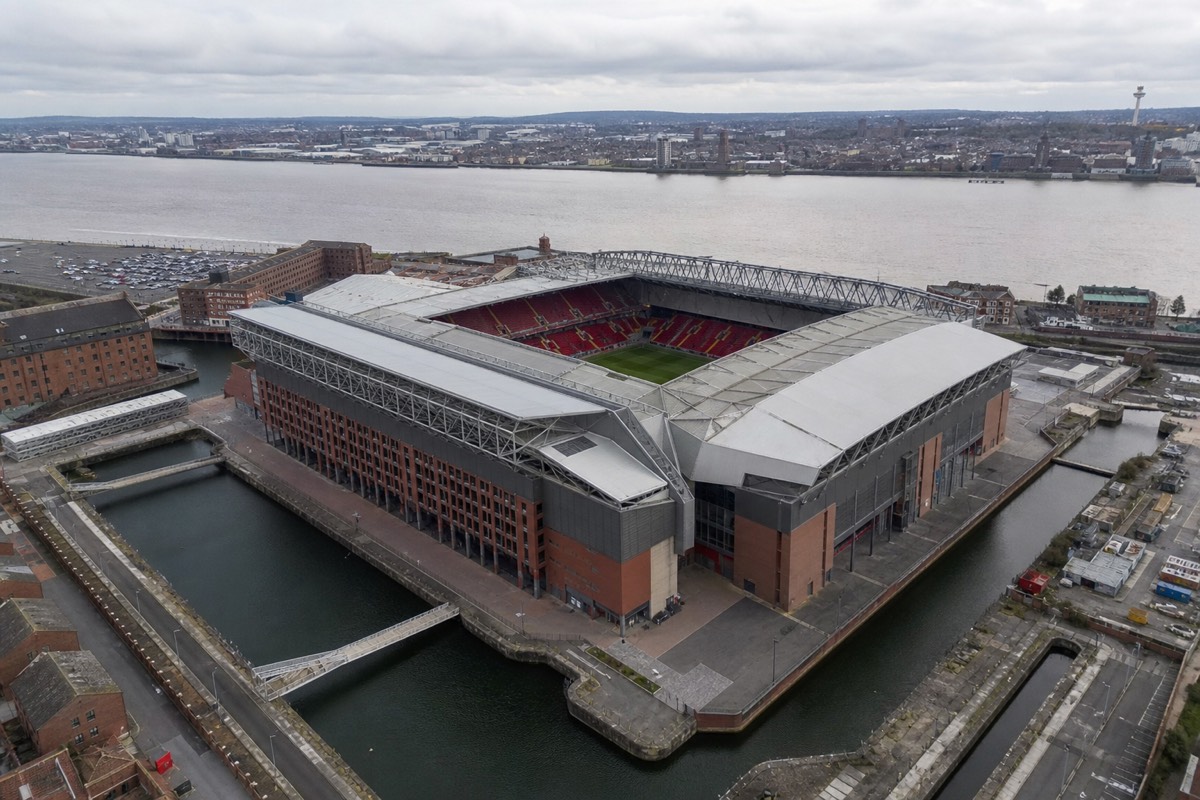
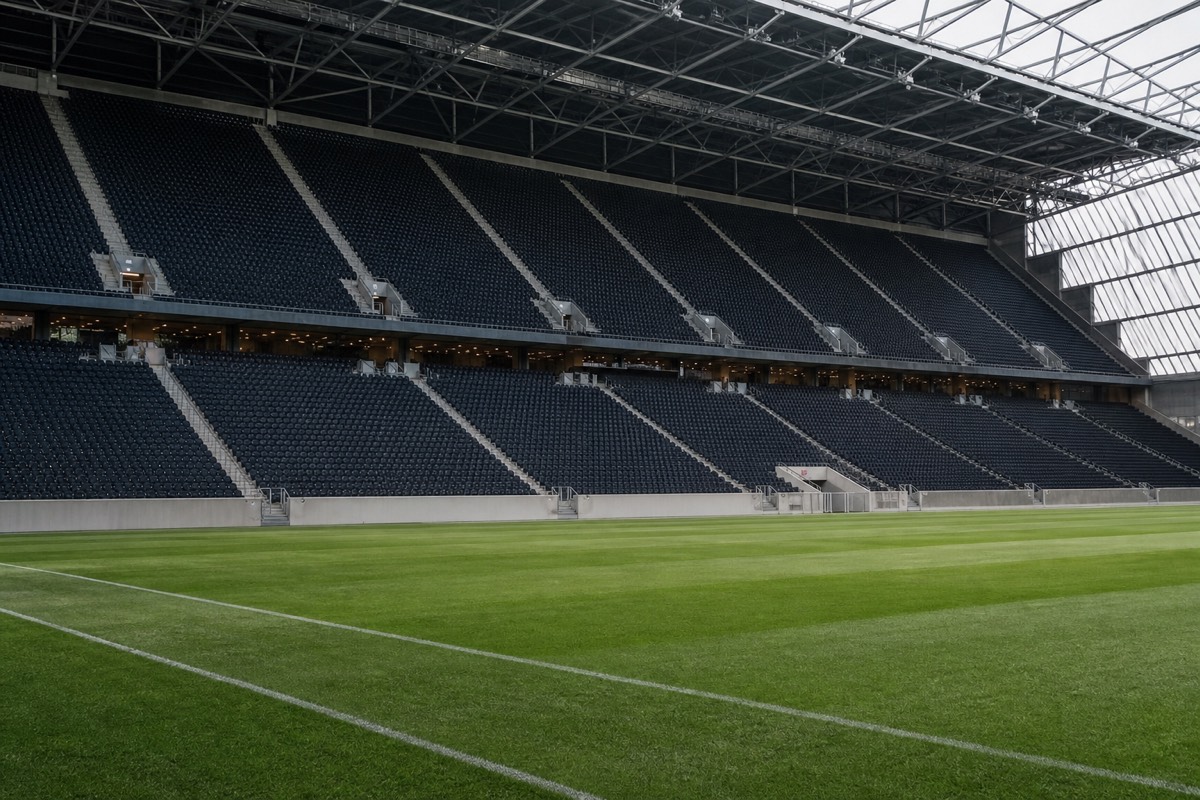
The Hill Dickinson Stadium tour is a guided, behind-the-scenes walk around Everton's brand-new home on Bramley-Moore Dock. The ground opened for the 2025-26 season as the club's replacement for Goodison Park, and the tour is the way to see inside one of the newest stadiums in English football on a quiet, non-match day.
The ground's planning name is Everton Stadium, and its commercial name is the Hill Dickinson Stadium, after the Liverpool-founded law firm that took the naming rights in 2025. Both names point at the same steel-and-brick bowl on the dock, so you will see tickets and signs use either. The club runs the tours itself, and because the building is so new the commentary leans as much on the design and the dockside setting as on the trophies, which is a genuinely different feel from an older ground. If you want the background on the place before you book, our short explainer on what Hill Dickinson Stadium actually is covers the naming, the dock and the move in one read, and the club sets out its own visiting information on the official Everton stadium tours page.
How much do Everton Hill Dickinson Stadium tour tickets cost?
Adult tickets for the Everton stadium tour cost around $35, so check the live listing for today's price and the days it runs. That is roughly in line with the Anfield tour, cheaper for children, and one of the better-value things to do on the Liverpool waterfront.
Prices move with the season and the type of tour, so treat any figure you read as a guide rather than a fixed quote. Booking online is the sensible route: you see live availability, the current price and the free-cancellation window before you pay, and the new ground's tours have been busy enough that walking up is a gamble. Families do well here, since the child and junior rates bring the total down for a group. For a sense of how the two Liverpool tours line up on price, our breakdown of Anfield tour ticket prices sits alongside this one, and the Everton tour comes in at a similar level for an adult. Whatever the headline number, the tour is an early 4.9-rated visit and still one of the cheaper half-days in the city.
What do you see on the Hill Dickinson Stadium tour?
Expect a guided route through the parts of the Hill Dickinson Stadium that a match ticket never reaches, at an easy pace on a quiet day. The exact stops shift from tour to tour, so read the run below as the shape of the visit and confirm the current route on the live listing before you book.
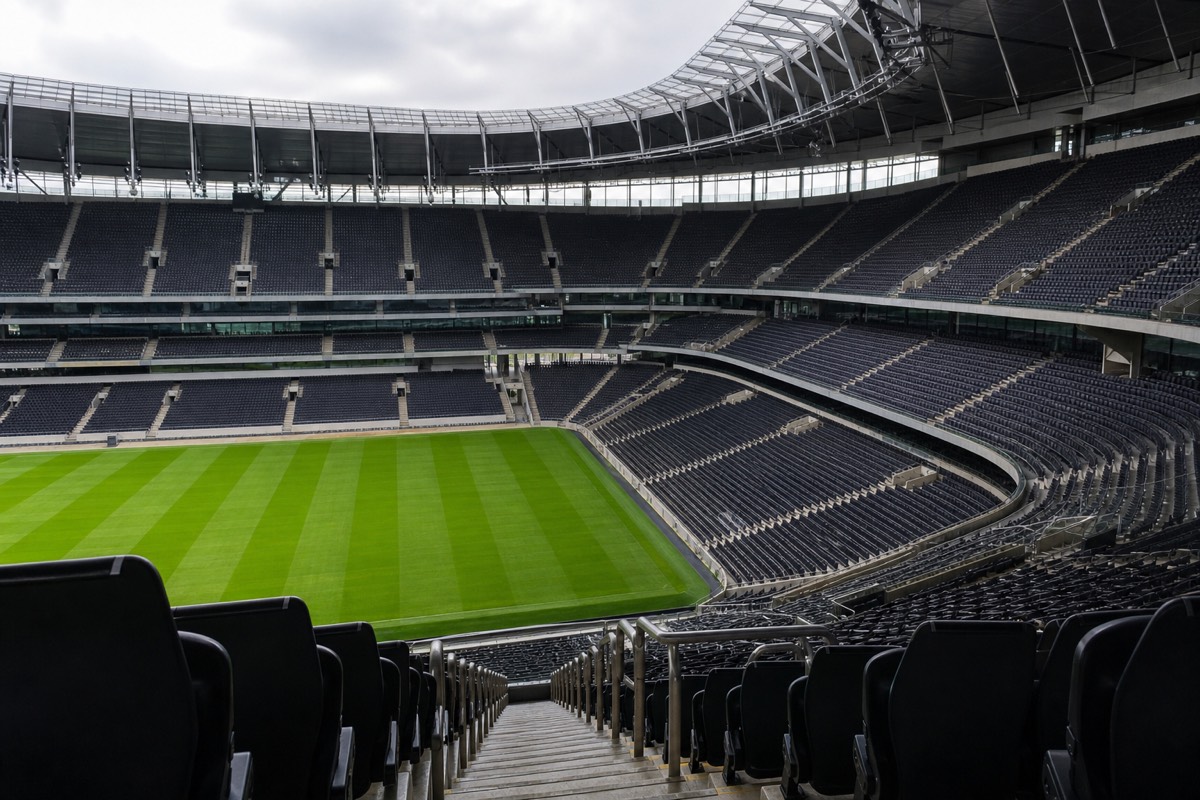
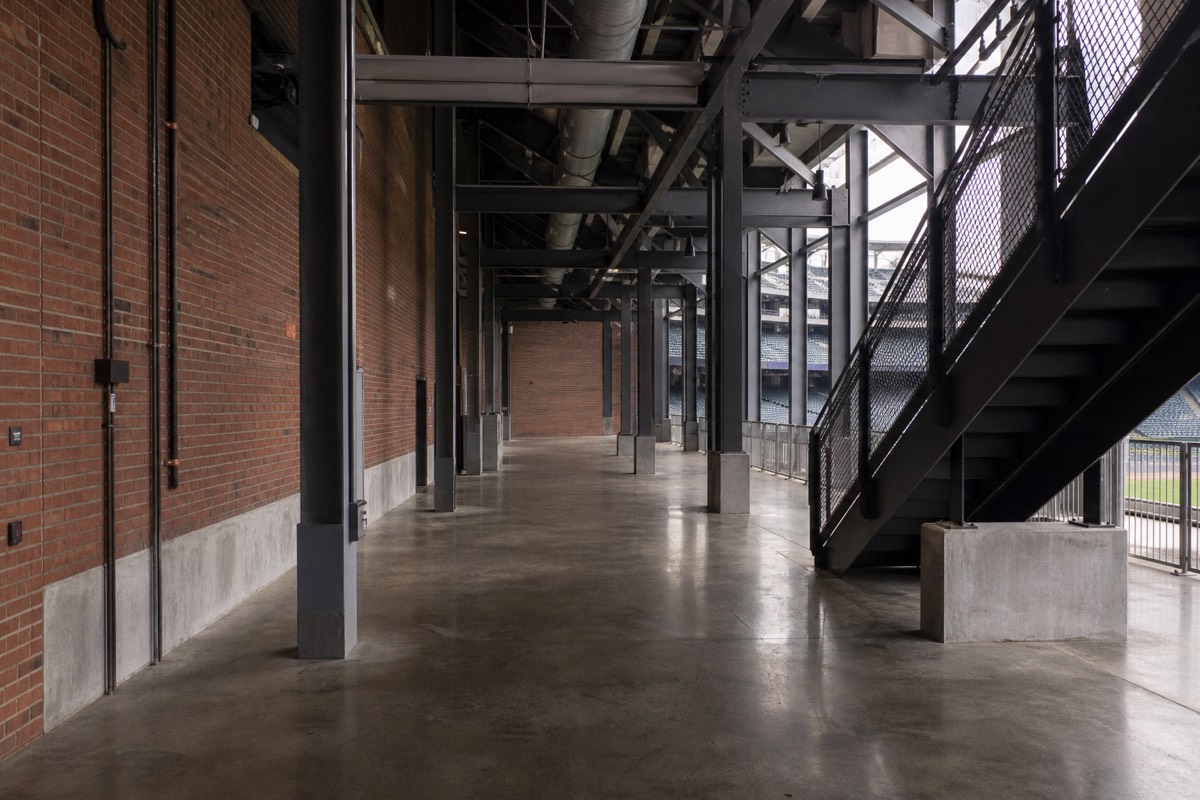
Everton takes small groups behind the scenes and tells the story of the ground and the club, which traces back to the club's founding in 1878. The signature moment operators describe is the walk down the tunnel toward the pitch, sent off by the club's "Z-Cars" theme, the same tune that greets the team on a matchday. Beyond that you get the wide dockside concourses, the modern interior bowl with its steep home end, and views out across the pitch that you simply cannot take from a normal seat. Because the stadium is only a season old, the guides spend real time on how it was built, from the roof structure to the dock foundations, so the visit doubles as an architecture story. Treat the table as the broad picture and let the live listing confirm precisely which areas your tour opens up.
| On the tour | What it is |
|---|---|
| The players' tunnel | The walk out toward the pitch, set to the club's "Z-Cars" theme |
| Pitchside | The edge of the pitch and the dugout area, for photos on a non-match day |
| The interior bowl | The steep single-tier home end and the seating tiers seen from ground level |
| The concourses | The wide modern dockside concourses that ring the ground |
| The design story | How the stadium was built into a working Victorian dock on the Mersey |
What you will not do is sit high in the stands as a spectator, because that is a matchday experience rather than a tour. If you are weighing the behind-the-scenes access of a tour against the noise of a full house, the way we frame it for Anfield in our look at a stadium tour set against a matchday applies just as well to Everton: the tour gives you the run of the building, the match gives you the roar.
Where is the Hill Dickinson Stadium, and how do you reach Bramley-Moore Dock?
The Hill Dickinson Stadium sits on Bramley-Moore Dock, on the River Mersey waterfront in Vauxhall, just north of Liverpool city centre. It is walkable from the centre in around half an hour, a short bus ride, or a train to Sandhills with an onward walk along the water.
The setting is the whole point of this ground. Everton built it into a real Victorian dock on the Mersey, so the approach along the waterfront is part of the experience, with the river on one side and the city's dockland heritage on the other. The tourism board's rundown of the Liverpool waterfront is a good primer if you are pairing the visit with the Albert Dock or a river walk. The table sets out the main ways in; on a tour day, aim to arrive with time to spare, because the walk from the nearest station is pleasant but not instant.
| Way in | How it works |
|---|---|
| On foot | Around 30 minutes north from the city centre along the waterfront |
| By train | Merseyrail to Sandhills, then a walk or match-day shuttle toward the dock |
| By bus | Frequent services run up the dock road corridor from the centre |
| By car | Limited parking at the ground; city-centre car parks plus a walk are easier |
If your trip also takes in Anfield, the two grounds sit in different parts of the city, and our guide to getting to Anfield and parking covers that side. For a base that keeps both within easy reach, the city centre works well, and our rundown of where to stay near Anfield weighs the ground-side streets against the centre.
Hill Dickinson Stadium vs the old Goodison Park: what changed?
Everton swapped Goodison Park, their home since 1892, for a bigger, modern ground on the waterfront. The Hill Dickinson Stadium holds just under 53,000 against Goodison's just-under-40,000, trading a tight, historic four-stander for steep single-tier ends and dockside architecture.
Goodison was one of English football's grand old grounds, hemmed into a residential grid of terraced streets in Walton, with the pitch close and the stands steep and creaking. The move to Bramley-Moore Dock is the club's biggest change in more than a century, adding roughly 13,000 seats and a level of comfort the old ground could not match, while trying to keep the noise a single-tier home end can generate. For the Everton fan there is loss and gain in it, and the tour tends to acknowledge both. The stadium's detailed record lays out the numbers and the build, and our explainer on the new Everton stadium puts the move in context.
| Feature | Hill Dickinson Stadium | Goodison Park |
|---|---|---|
| Opened as Everton's home | 2025 | 1892 |
| Capacity | Around 52,800 | Just under 40,000 |
| Location | Bramley-Moore Dock, waterfront | Walton, inland residential streets |
| Design | Modern, steep single-tier ends | Historic four-stand bowl |
| Cost to build | Around £750 million | Developed over generations |
Everton or Anfield: should you do one stadium tour or both?
If you have the time, do both. The two grounds sit a short ride apart and tell different stories: Anfield is heritage, anthems and a loaded trophy room, while the Hill Dickinson Stadium is a brand-new build with the design still fresh. For a single pick, choose the club you follow, or the ground you are least likely to get back to.
Plenty of visitors to Liverpool are not committed to either club and simply want to see a Premier League ground up close. If that is you, the honest split is this: the Anfield tour leans on history and silverware, and our take on whether the Anfield tour is worth it lays that out; the Everton tour leans on a shiny new stadium and its dockside setting. Neither is a wrong answer. If you cannot decide, our full comparison of Anfield or Hill Dickinson goes stop by stop and helps you pick the one that fits your day, or slot both in.
| Consideration | Hill Dickinson Stadium tour | Anfield tour |
|---|---|---|
| The draw | A brand-new waterfront ground | History, anthems and the trophy room |
| Setting | On a Mersey dock, north of the centre | Anfield, a few miles from the centre |
| Ticket level | Around $35 for an adult, check the listing | A similar level, check the listing |
| Best for | Seeing the newest stadium in the city | Fans of the club and its trophy history |
When should you book the Everton stadium tour?
Book ahead and aim for a weekday, non-match slot. The Everton stadium tour is new and busy, tours pause or change around home fixtures, and midweek mornings are the calmest. Reserve online and check the live listing for the days the tour runs and the current price.
The same rules that govern any stadium tour apply here. On matchdays the club prioritises the game, so tours are limited, shortened or dropped, and the behind-the-scenes areas close for team use. The way we cover booking a Liverpool stadium tour ahead of time holds for Everton too: popular slots go early in school holidays and around big fixtures, so a few days' notice is wise in peak season. The ground is fully accessible and the tours are open to all ages, which makes it an easy add to a family trip. Once your dates are set, reserve online, and let the live listing confirm the running days before you travel.