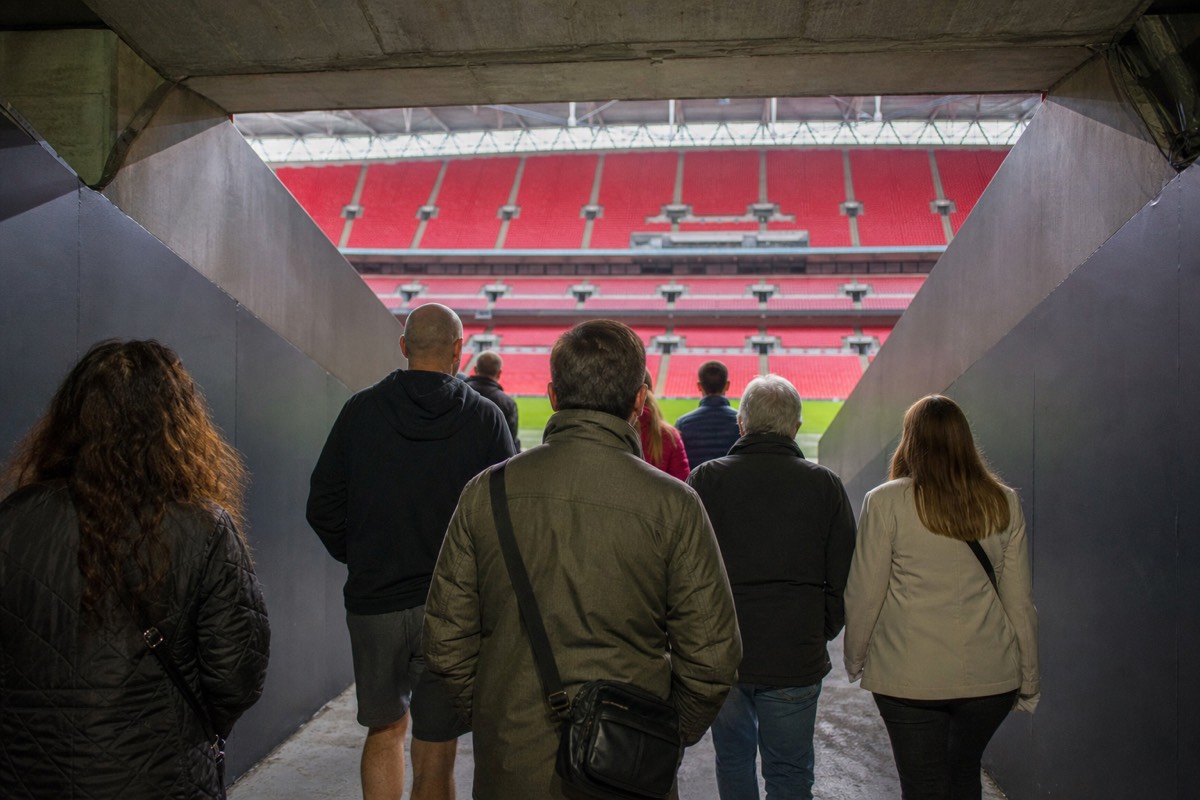
Do You Go Pitchside and See the Dressing Rooms on the Anfield Tour?
The two things people most want to know before they book: do you actually get pitchside, and do you get inside the dressing rooms. The short answer is yes to both, and here is exactly what that access looks like.
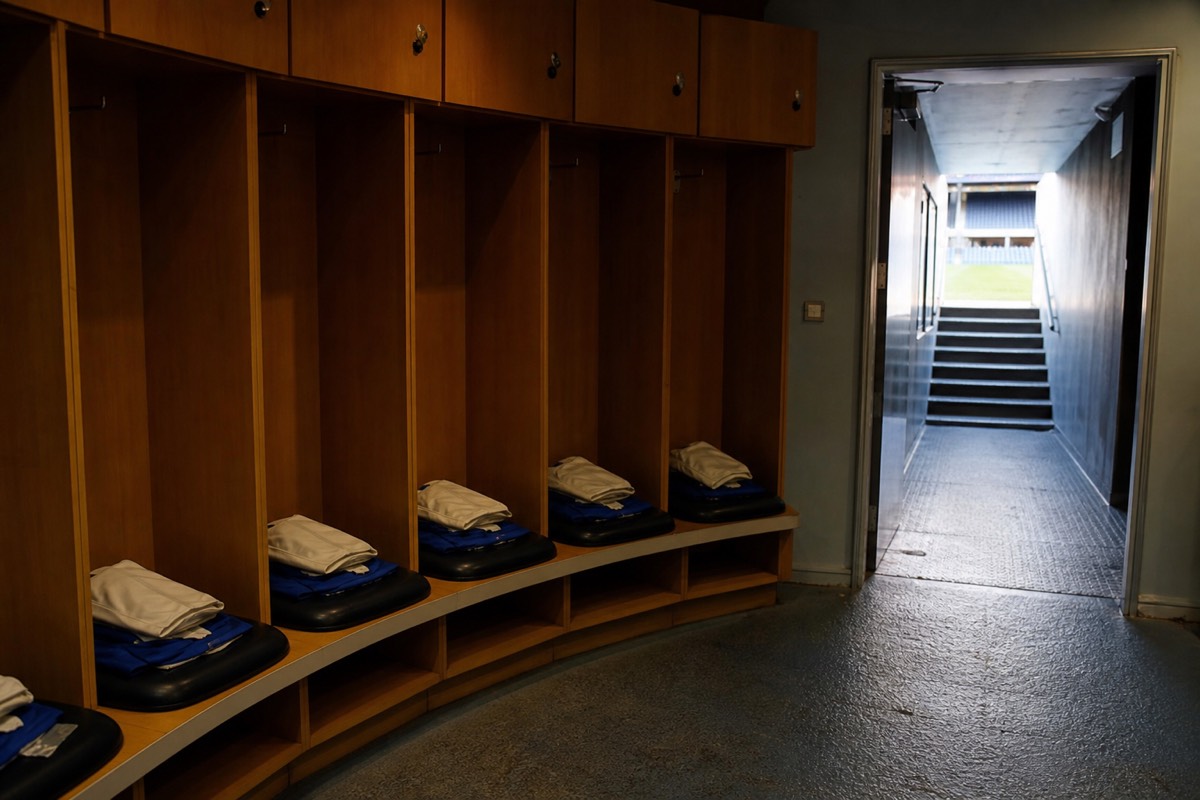
Do you go pitchside and into the dressing rooms on the Anfield tour?
Yes to both. The standard tour takes you down the players' tunnel, out pitchside to the home dugout, and inside both the home and away dressing rooms, along with the press room. You can sit in the home dugout for photos and stand at the edge of the pitch, though you do not walk across the playing surface itself.
This is the behind-the-scenes access the tour is built around, the spaces normally closed to the public. A guide takes you through them in sequence on a non-match day, when everything is in its normal layout. The team behind the Liverpool Stadium Tour break down each part below, because the detail is where people's questions actually sit: how close you get, what you can sit in, and what is off limits.
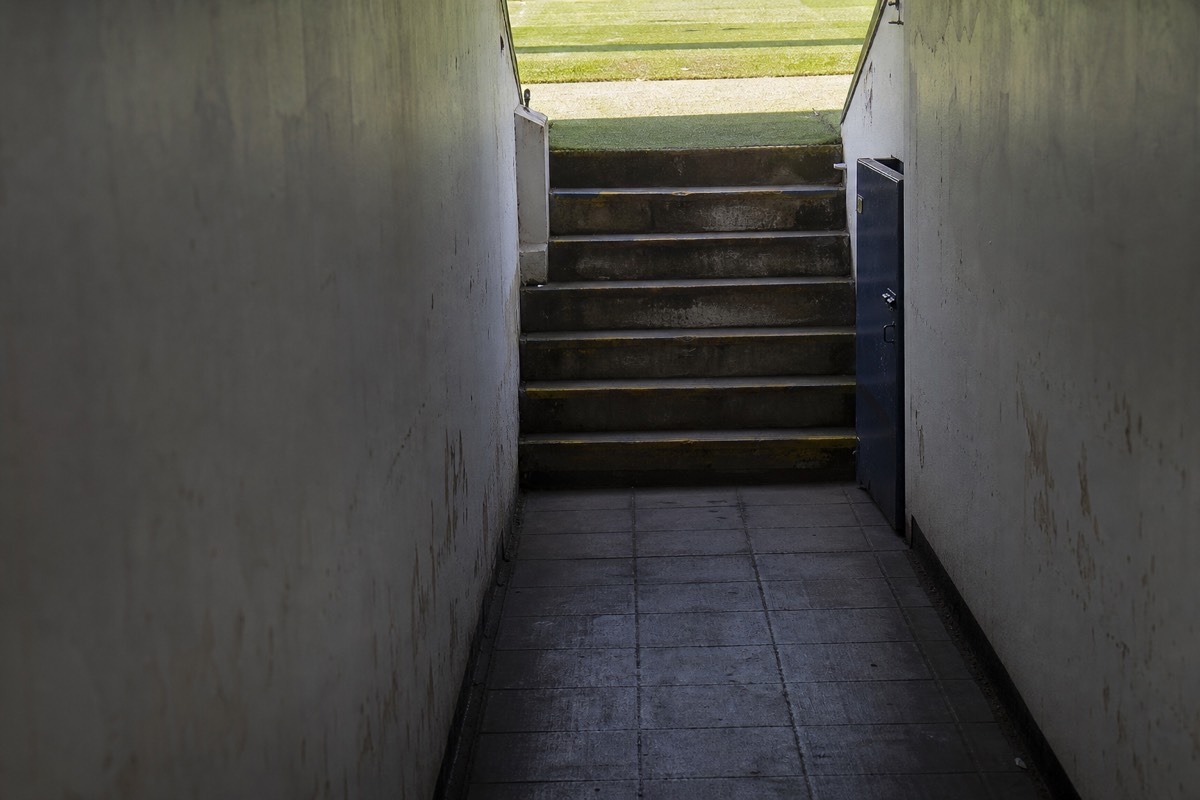
What do you actually get pitchside?
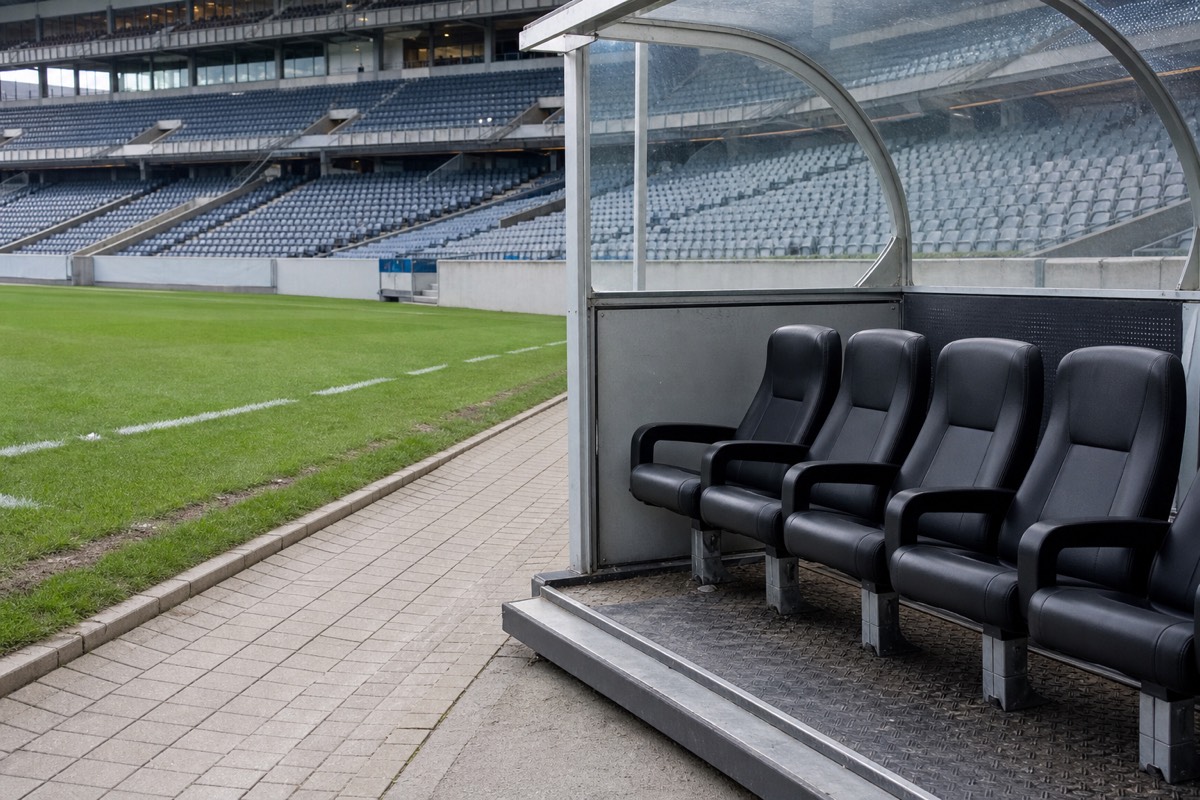
You come out at the edge of the pitch by the home dugout and can sit in the dugout benches for photos. Standing at the mouth of the tunnel, looking out at the empty ground with the stands rising on all sides, is the moment most visitors describe as the emotional centre of the tour. You do not walk on the playing surface, which is protected.
Sitting in the home dugout, where the manager and substitutes sit on match day, is consistently one of the highlights. The visit to the dugout is brief, a few minutes per group, because the tour runs on a schedule, and on busier days that window is shorter to keep things moving. The away dugout is usually not part of the visit. An early slot on a quiet weekday buys you more time here, which is one reason we point visitors to the best time to visit Anfield.
Can you go inside both dressing rooms?
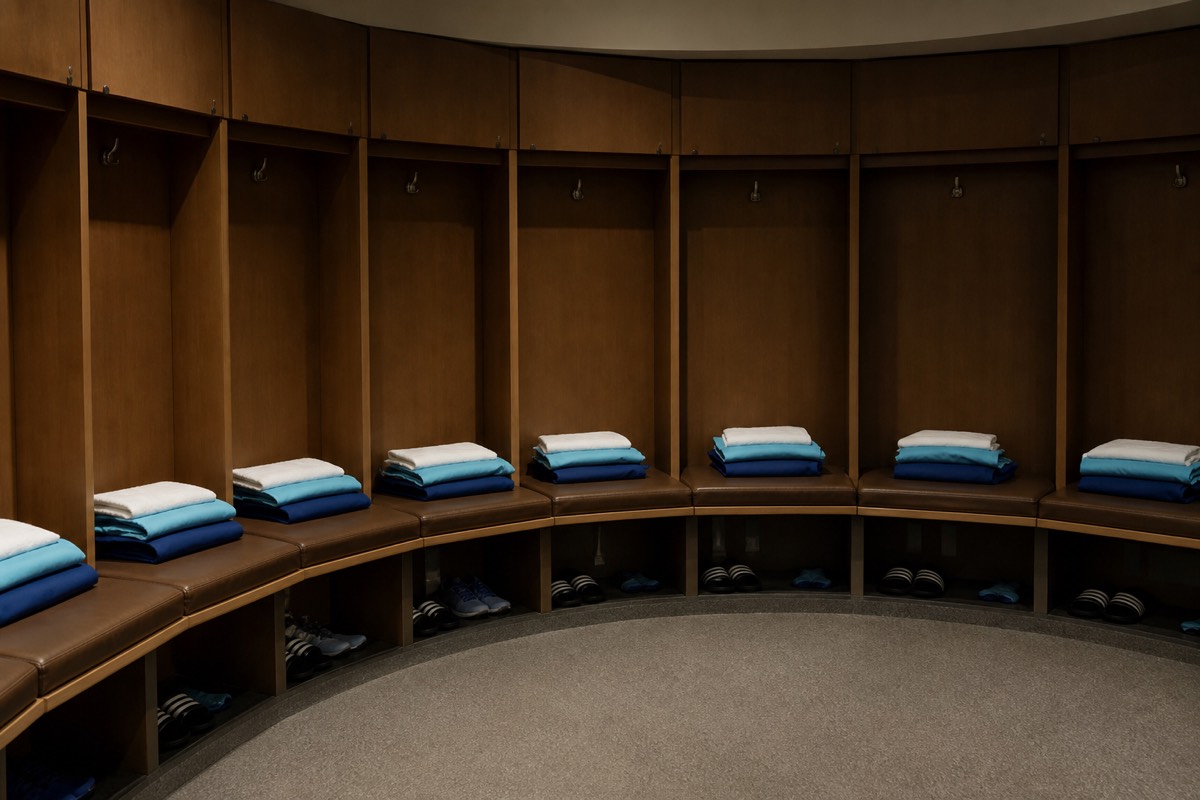
Yes. You go inside the home dressing room, laid out as it would be on a match day with shirts at each numbered seat, and the away dressing room, which is deliberately smaller and less comfortable. The guides point out the differences and explain why they exist, a long-standing tradition in football ground design that Anfield keeps with conviction.
The home dressing room rewards attention: each player's position and squad number is marked, the tactics board is there, the conditioning equipment is visible. The contrast with the away room is the part visitors enjoy most, and the guides reference it with evident satisfaction. Both rooms are accessible in their normal configuration on non-match days, which is exactly why avoiding a match day matters, as we set out in the Anfield tour versus a matchday comparison.
| Dressing room | What you see |
|---|---|
| Home | Laid out for a match day, red shirts at each numbered seat, tactics board, a comfortable, prepared space |
| Away | Deliberately smaller and less comfortable, a traditional edge the club maintains on purpose |
Personal photography is allowed in the dressing rooms, so the shots people come for are yours to take. The rooms and the tunnel can be a little dim, so a phone's night mode helps.
Do you walk the players' tunnel as well?
Yes, and it is the stop that turns the tour from informational into real for most people. The tunnel connects the dressing rooms beneath the Main Stand to the pitch, its walls covered in club history, with the "This Is Anfield" sign above the exit. Touching the sign as you walk out is encouraged, the same tradition the players follow on match day.
Bill Shankly installed the sign in 1974 as a message to his own players and to visiting sides, and the guides explain the intent behind it and the tradition that grew around it, including the opposing players over the years who have pointedly declined to touch it. Standing at the end of the tunnel looking out at the empty Anfield pitch, with the four stands rising around you, is when the scale of the place lands in a way photographs from outside never manage. If the ground's size is part of the draw, our guide to Anfield's capacity and its stands puts numbers to it.
Is there anything you do not get access to?
The main limits are the playing surface itself, the away dugout, and full access on match days. You reach the edge of the pitch but do not walk across it. The away dugout is usually not included. And on match days the dressing rooms or tunnel may be closed for match preparations, with the tour shortened, so a non-match day gives the complete route.
None of this is a catch, it is simply how a working stadium runs a tour. The full behind-the-scenes version, every room open, real time in the dugout, the tunnel without a queue, is the non-match version. The table below keeps the access straight so you know what you are booking.
| Access | Non-match tour |
|---|---|
| Players' tunnel and "This Is Anfield" sign | Yes, and you can touch the sign |
| Pitchside and home dugout | Yes, sit in the home dugout for photos |
| Walk on the playing surface | No, the pitch is protected |
| Home and away dressing rooms | Both, in normal match-day layout |
| Press room | Yes, sit where managers face the media |
| Away dugout | Usually not included |
The press room is smaller than television makes it look, and sitting in the chairs where past Liverpool managers gave post-match interviews is another stop where the scale of the place becomes personal. For the full picture of everything the ticket covers, see what is included in the Liverpool stadium tour, and if you are still deciding whether it all adds up, is the Anfield stadium tour worth it gives the honest verdict. The official Liverpool FC stadium tours page confirms current access and any restricted dates. When you have a date, the standard tour is around GBP 26 with the museum included; check the live listing for today's price.