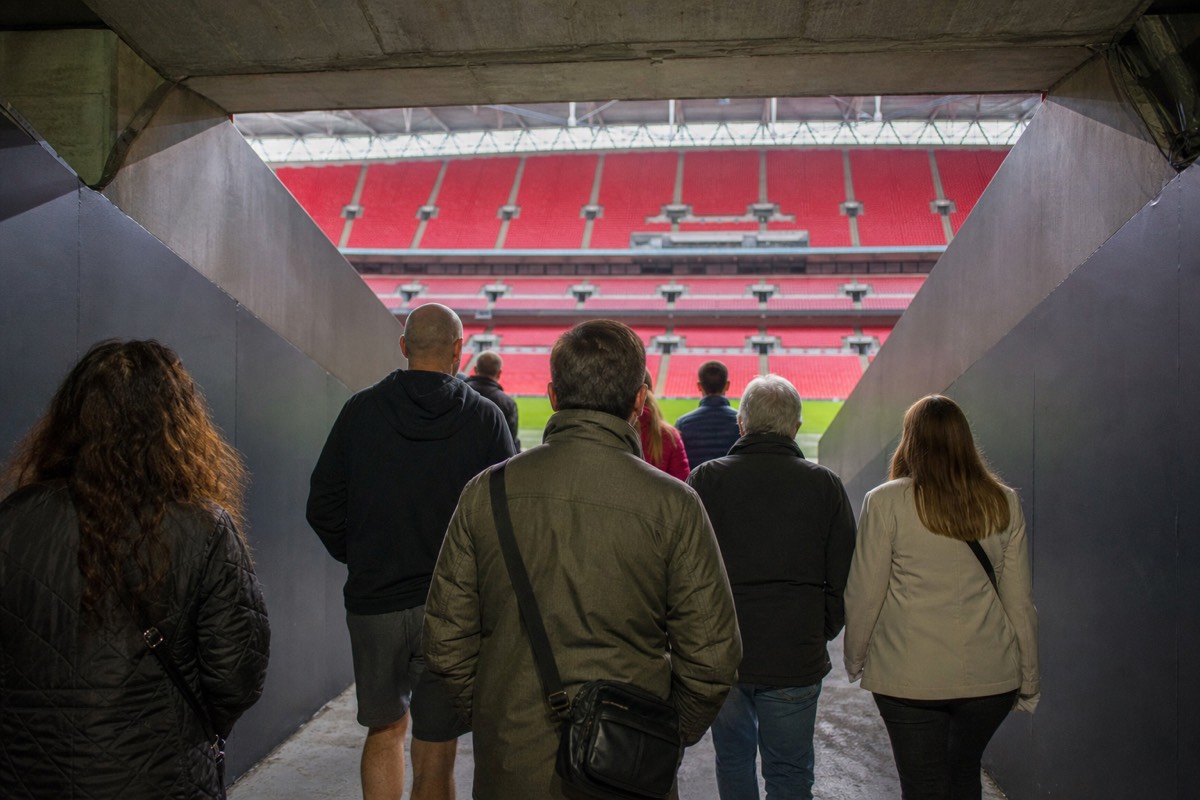
Anfield Tour Opening Times & Best Time to Visit (2026)
The Anfield tour keeps steady daily hours, but the difference between the calmest slot and the most crowded one is enormous, so here is exactly when the ground opens and when it is worth turning up.
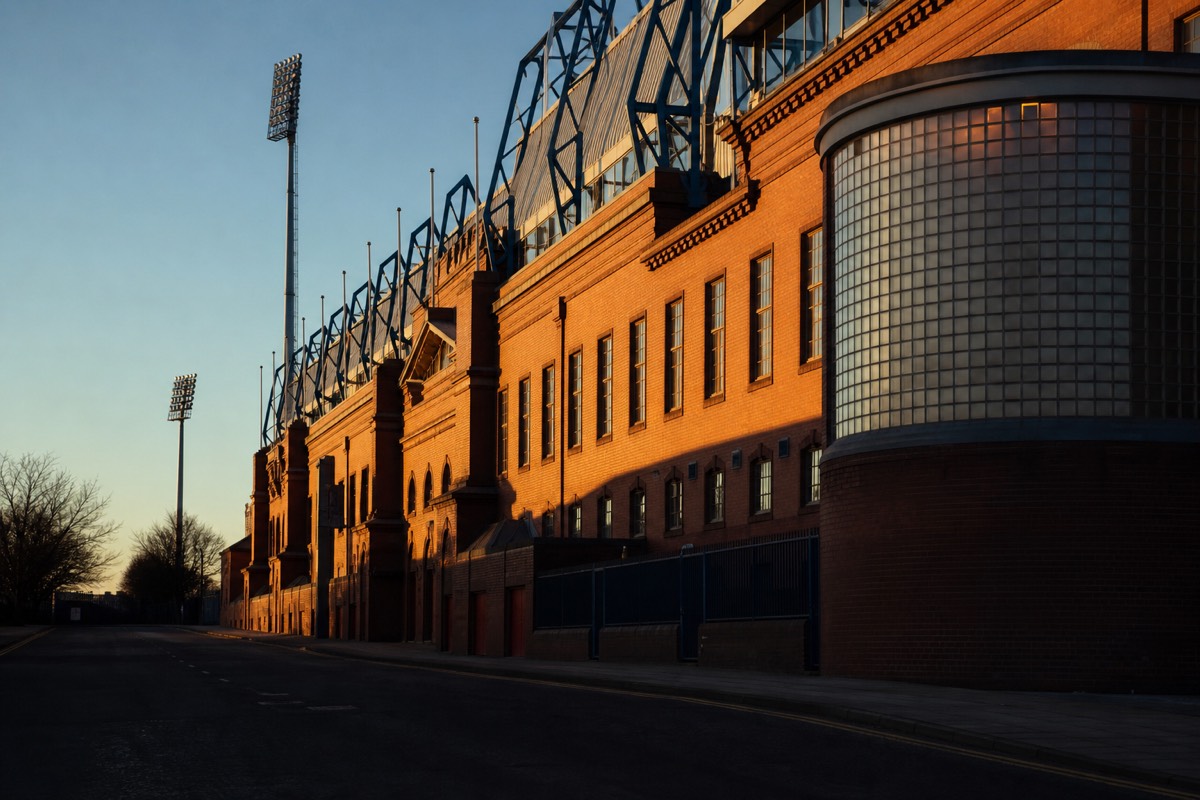
Two visitors can book the same tour, the same week, and come away with completely different memories of Anfield. One had the home dressing room to themselves and all the time they wanted in the dugout. The other shuffled through in a group of forty on a Saturday when half the city was in town. The tour did not change. The timing did. Getting the hours and the quiet windows right is the single biggest lever you have over the day.
The good news is that the stadium keeps predictable daily hours, published by the club, and the busy patterns follow the calendar closely enough to plan around. Below is the full picture for a 2026 visit: opening times, the days the ground is shut, how long to set aside, and the honest hierarchy of quiet versus busy by hour, by day and by month. If you want the money and booking side settled first, the Liverpool Stadium Tour homepage carries live slots and today's price, and this guide tells you which of those slots to actually pick.
Anfield tour crowds through the year, month by month
A snapshot of how busy each month tends to be, driven mainly by the UK school-holiday calendar rather than the weather. Peaks move a little year to year, so treat this as the shape of the year rather than a guarantee.
What are the Anfield stadium tour opening times in 2026?
Stadium tours run seven days a week from 10am to 3pm, with the last tour departing around 3pm. The interactive museum keeps longer hours, open daily from 9am to 5pm, so you can visit it before the first tour or after the last one. Times can shift for events, so confirm the live slots when you book.
The club publishes these hours directly. The tour itself opens at ten in the morning and the final departure is around three in the afternoon, which gives roughly five hours of slots spread across the day at regular intervals. The museum, sometimes billed as the Liverpool FC story, sits on a wider window from nine to five, and it is included in your tour ticket, so an early arrival can start in the museum before the first tour of the day forms up. Liverpool FC's official opening-times page is the source to trust when the calendar gets unusual.
| What | Days | Hours | Notes |
|---|---|---|---|
| Stadium tour | Seven days a week | 10am to 3pm (last tour ~3pm) | Timed slots across the day |
| Interactive museum | Seven days a week | 9am to 5pm | Included, do it either side of your tour |
| Busy-period extensions | Peak dates | Sometimes extended | Extra slots added at busy times |
One honest caveat runs through this whole guide: these are the standard hours, and they bend around what else is happening at the ground. Events, filming and operational needs can move or trim the schedule, and the club says as much. That is why the times below are framed as the usual pattern rather than a fixed promise, and why the live listing is always the final word on a specific date.
When is the Anfield tour closed in 2026?
The tour is closed on Christmas Day and New Year's Day, and it is restricted or cancelled on home match days, when the club needs the stadium for the fixture. Concert days and other major events can also close or shorten it. Everything else in the year is a normal operating day, subject to the usual live-slot check.
The fixed annual closures are the simple part: 25 December and 1 January, the ground shuts to tours. The moving closures are the ones that catch people out. On a home match day the tour is either pulled entirely or run in a heavily reduced form, because the players, the media and sixty thousand supporters take priority over a walking tour. The same applies when Anfield hosts a concert or a large one-off event, which is more common in the summer than the winter.
| Closed or restricted | When | What happens |
|---|---|---|
| Christmas Day | 25 December | Fully closed |
| New Year's Day | 1 January | Fully closed |
| Home match days | Fixture dates | Restricted or cancelled |
| Concerts and major events | Mostly summer | Closed or shortened |
| Every other day | All year | Normal hours, check live slots |
The practical move is to check the fixture list before you fix a date, then check the live slots for the day you want. A quiet midweek in January is wide open. A Saturday during a busy run of home games needs more care. If a match is unavoidable during your trip, it is worth reading how a tour compares with a matchday before you decide which experience to spend the day on.
How long does the Anfield tour take, and how long should you allow?
The guided walk runs about seventy to ninety minutes, with the steady standard route often closer to an hour and ten and the fuller Legends experience nearer ninety. Add thirty to forty-five minutes for the museum. Allowing around two hours for the whole visit, plus check-in, is realistic for most people.
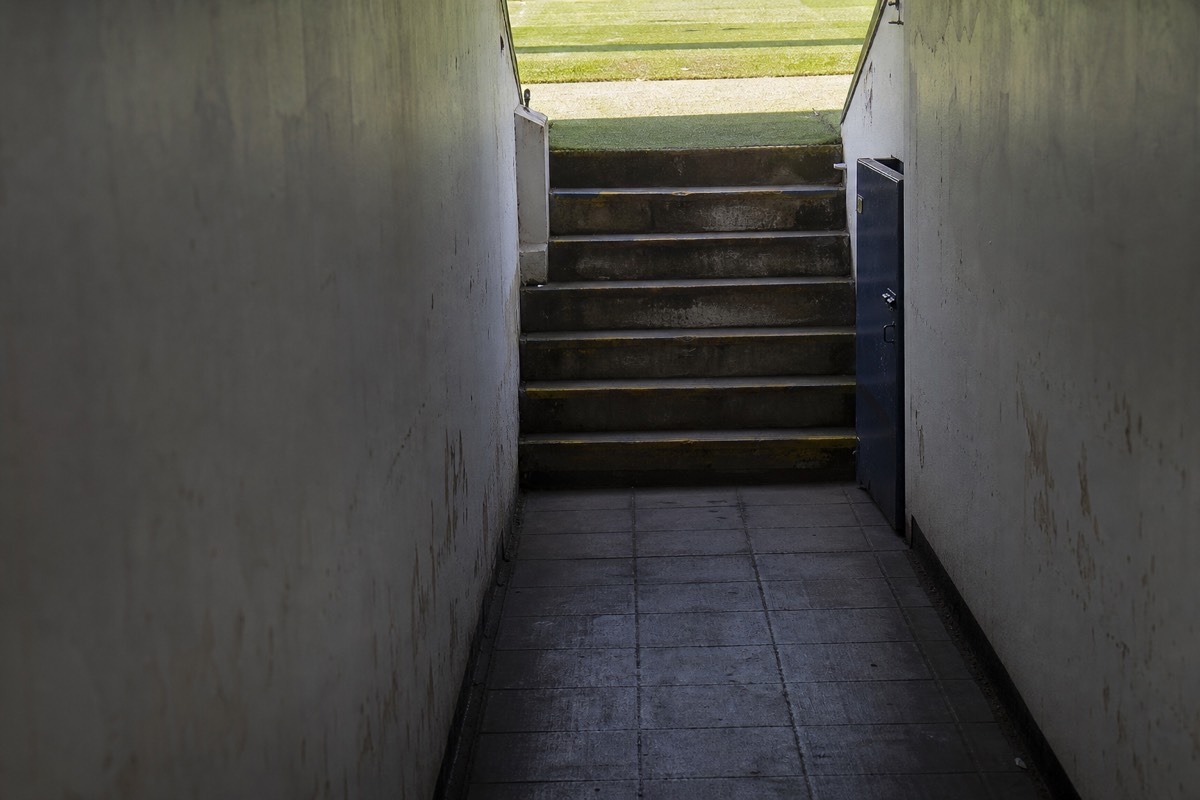
The guided portion is well paced rather than rushed. On the standard tour you move through the players' tunnel, pitchside and the dugout, both dressing rooms, the press room, the Kop and the trophy room in a little over an hour. The Legends Tour, where a former player travels with a smaller group and tells the stories firsthand, naturally runs longer. The museum is separate and self-guided, so the time you spend there is yours to set.
| Part of the visit | Time to allow | Notes |
|---|---|---|
| Check-in and grouping | 15 to 20 min | Arrive early, timed entry |
| Standard guided tour | About 70 min | Steady pace, all main stops |
| Legends Tour | Up to about 90 min | Smaller group, more stories |
| Interactive museum | 30 to 45 min | Self-guided, included |
| Whole visit | Around 2 hours | Tour plus museum plus check-in |
If duration is your main question, the companion piece on how long the tour takes breaks the route down stop by stop. For planning purposes here, treat two hours as the block to reserve in your day, and remember the museum can flex to fill a gap before an early slot or wind down the visit after a late one.
What is the best time of day to visit Anfield?
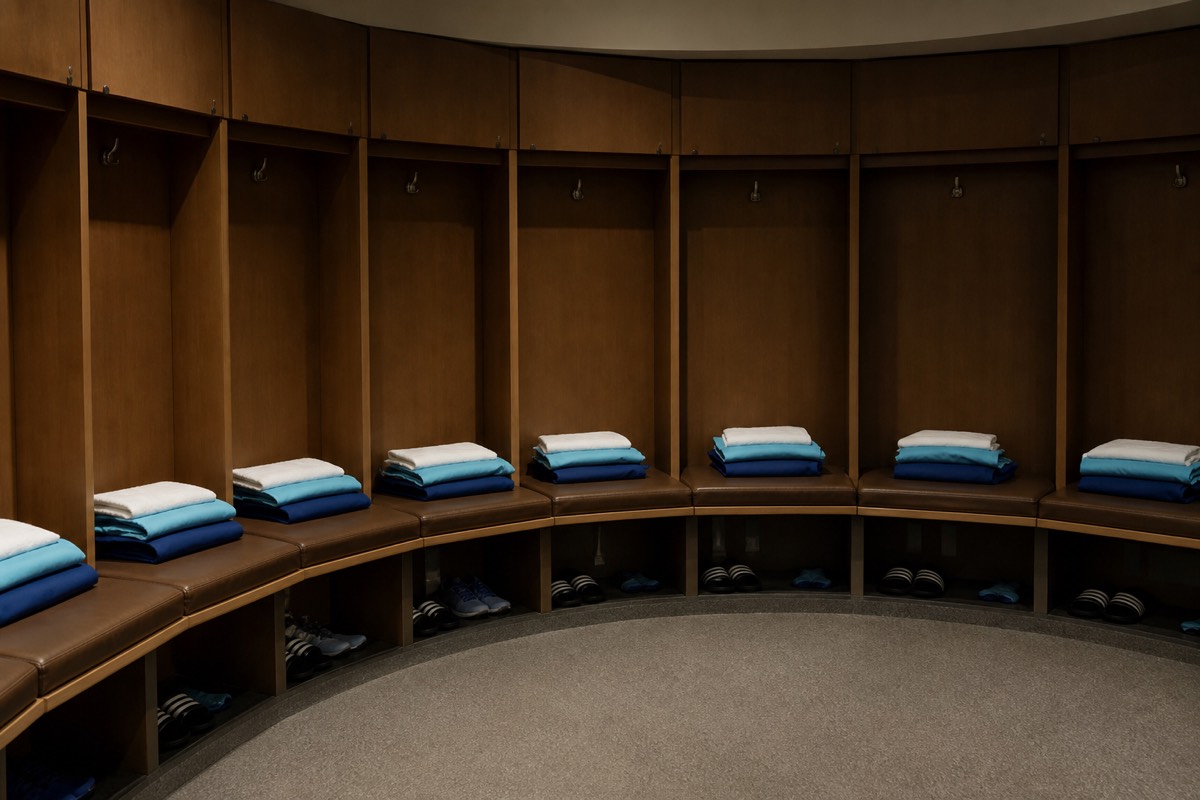
The first tour of the day, around 10am, is the calmest by a wide margin: fewer groups, more time in the dressing rooms and the dugout, and photographs in the tunnel without a queue behind you. Late slots near 3pm are the second-quietest. The busy crush sits in the middle of the day, roughly 11am to 2pm.
Crowds at Anfield build and ebb across the day in a shape you can plan around. The first departures go before the coach parties and school groups have arrived, so the ground feels almost private. By late morning the slots are full and the dressing rooms fill with the biggest groups. Then, as the afternoon wears on, the numbers thin again and the final tours recover much of the early calm. The guide has room to tell a full story at each stop when the group is small, which is the difference an early slot really buys.
| Slot | Crowds | What it feels like |
|---|---|---|
| First tour, ~10am | Quietest | Small groups, unhurried, best photos |
| Late morning, 11am to noon | Busy | Larger groups, more waiting at each stop |
| Early afternoon, noon to 2pm | Busiest | Peak numbers, especially weekends |
| Last tours, ~2 to 3pm | Quieter again | Calmer, good if you are not a morning person |
There is a neat trick hidden in the museum hours. Because it opens at 9am, an hour before the first tour, you can arrive early, spend that hour in the exhibits, then walk straight onto the quietest departure of the day. That sequencing turns dead waiting time into part of the visit and lands you on the calmest slot. It pairs well with an early start on the journey, which the guide on directions, transport and parking lays out.
What is the best day of the week for the Anfield tour?
Midweek, and Tuesday to Thursday in particular, is the quietest and most reliable choice. Weekends draw the largest crowds, and Saturdays that fall on a home match weekend are the worst of both worlds. If your trip only allows a weekend, take the first slot of the day and check the fixture list first.
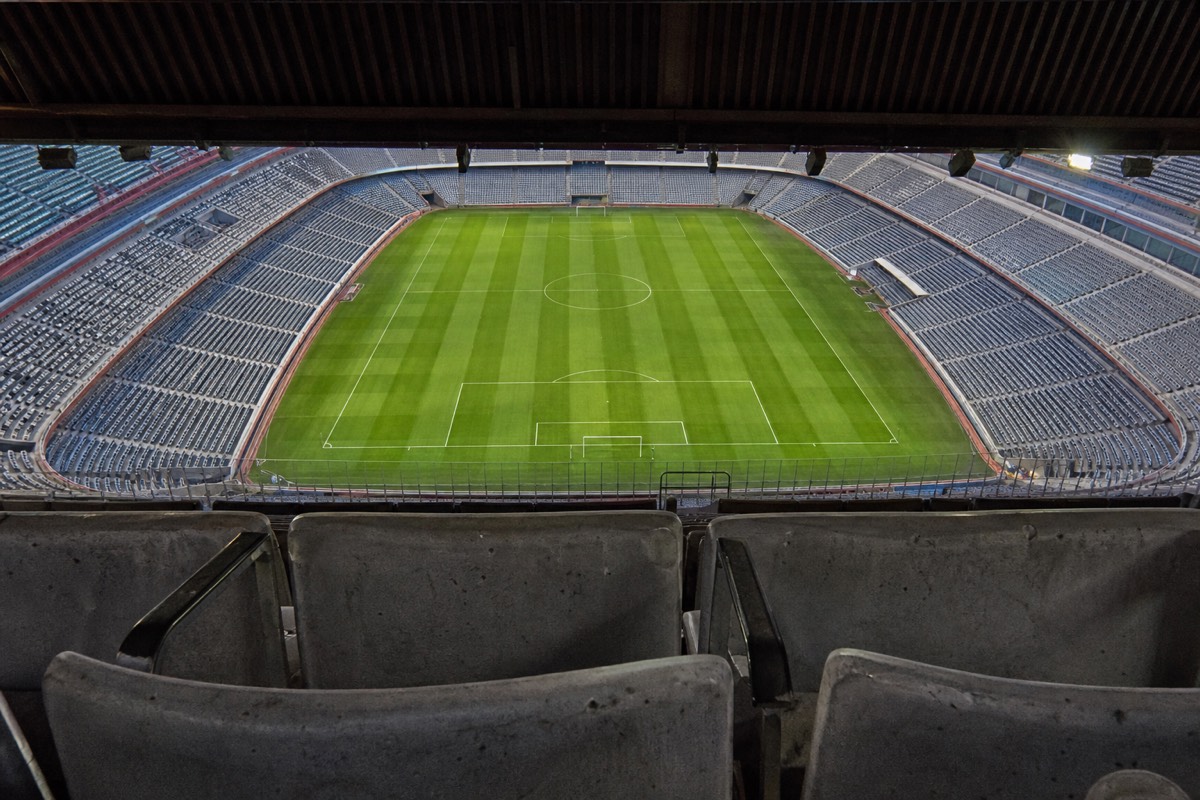
The weekly pattern is straightforward. Working weekdays outside school holidays pull the smallest numbers, so a Tuesday or Wednesday morning delivers the fullest, calmest version of the tour. Fridays start to fill as weekend visitors arrive. Saturdays and Sundays are consistently busier, and a home fixture on the weekend concentrates demand onto the non-match slots around it, so even a Sunday tour can feel crowded when Saturday was a match.
| Day | Typical crowds | Verdict |
|---|---|---|
| Monday | Light to moderate | Good, especially the morning |
| Tuesday to Thursday | Lightest | Best of the week |
| Friday | Building | Fine early, busier by afternoon |
| Saturday | Heaviest | Book the first slot, mind the fixtures |
| Sunday | Heavy | Busier near match weekends |
Whatever day you land on, the fixture list is the thing to check first, because a match reshapes the whole week around it. Once the day is chosen, deciding which Anfield tour suits you is the next call, since the Legends Tour runs on fewer dates and its small-group cap fills faster than the standard walk.
What is the best time of year to visit Anfield?
Quiet months cluster in the shoulder seasons: mid-January, June and September and November all run calm. The busy peaks track the UK school holidays, so February half-term, Easter, the late-May break and the long summer holiday draw the biggest crowds. The football season itself, August to May, means most tour days sit in cool, changeable weather.
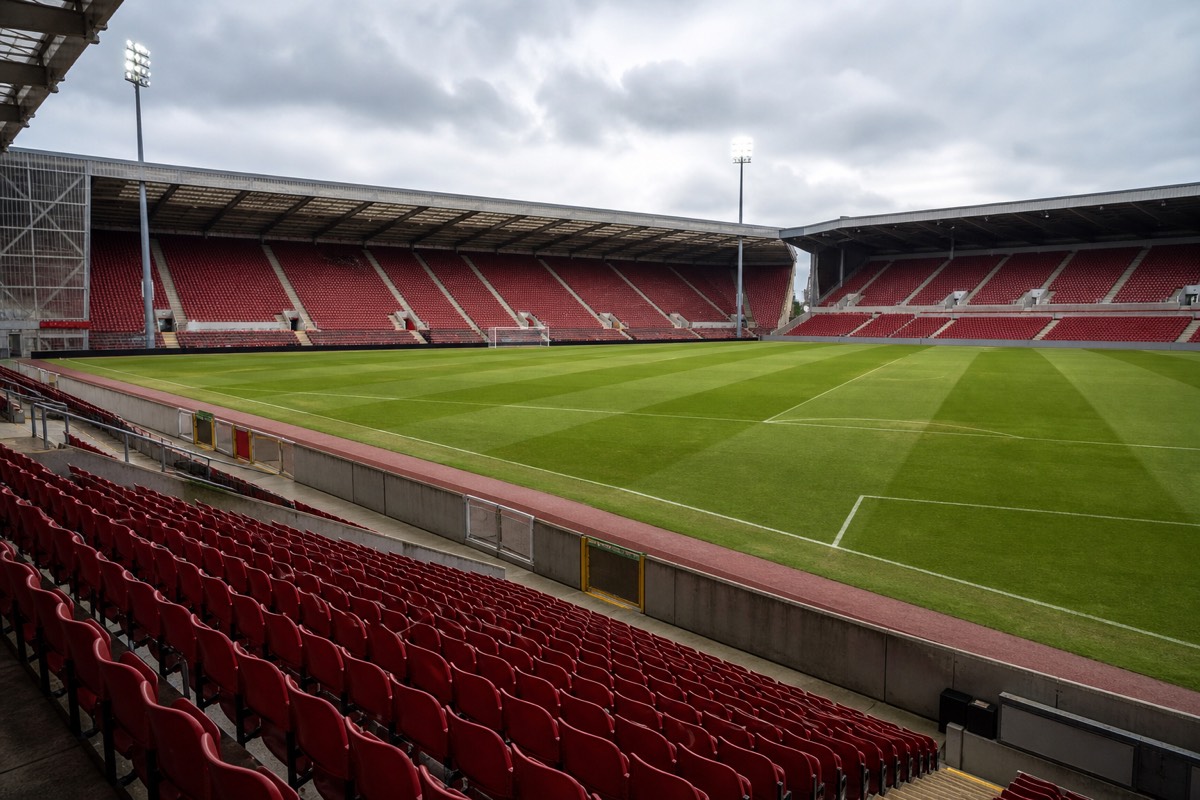
Seasonality at Anfield is less about the weather and more about when schools are off, because family visitors and organised groups drive the crowd numbers. The scorecard below reads the year at a glance. The genuinely quiet windows are the weeks that fall between holidays, when the ground reverts to steady midweek traffic. The peaks land on the predictable breaks, with high summer the busiest stretch of all as visitors pour into the city.
| Season | Crowds | Why |
|---|---|---|
| Mid-January to early February | Quiet | Post-holiday lull, cold and calm |
| February half-term and Easter | Busy | School holidays, family visitors |
| June and September | Quiet | Between holidays, steady midweek flow |
| July and August | Busiest | Summer holidays, peak tourism |
| October half-term | Moderate | A short spike, calmer either side |
| November to mid-December | Quiet | Off-peak weekdays before the festive rush |
Since the season runs August to May, most tour visits coincide with cool, often wet Merseyside weather, which barely matters for an indoor tour and adds atmosphere to the outdoor stops. If you are building the trip around quiet, aim for a shoulder-season weekday and read up on where to stay near the ground so a dawn start on a calm February Tuesday does not mean a long cross-city commute.
How do match days and events change the Anfield tour opening times?
A home match day is the one thing that overrides the normal hours entirely. Tours are usually cancelled or cut to a short, restricted route with limited access, larger groups and no dressing-room stops. Concerts and major events do the same. The fixture and events calendar, not the standard hours, decides whether a given date runs a full tour.
On a normal day the ground belongs to the tour. On a match day it belongs to the fixture, and everything bends around that. When a tour runs at all on a match day it is typically shorter, often around forty-five minutes rather than the full route, with parts of the stadium closed for match preparation and each group larger because fewer slots exist. The dressing rooms and tunnel, the emotional core of the visit, are frequently among the areas shut off.
| Day type | Tour length | Access | Recommendation |
|---|---|---|---|
| Normal non-match day | Full 70 to 90 min | Every stop open | The version to aim for |
| Home match day | Often cancelled or ~45 min | Restricted, dressing rooms may be shut | Avoid for the tour itself |
| Concert or major event | Shortened or closed | Areas closed for the event | Check the date carefully |
The upshot is a simple rule: for the tour, choose a non-match day, ideally a midweek morning, and treat the fixture list as step one of booking. The official Anfield stadium tours page and the live listing both flag restricted dates, and the city's own Visit Liverpool events calendar helps you see what else is on in town that week. Get the date right and the rest of the plan, from what the tickets cost to how you fill the afternoon, falls into place. When you are set on a day, the main Liverpool Stadium Tour homepage holds the live availability.
If you only want to see the outside of the ground, check first whether you can visit Anfield for free.