The LFC Museum & 'The Liverpool FC Story': Full Guide
The museum is the part of an Anfield visit people underrate, and the part they linger in longest once they are inside it. Here is what The Liverpool FC Story holds, how it fits with the stadium tour, and how long to give it.
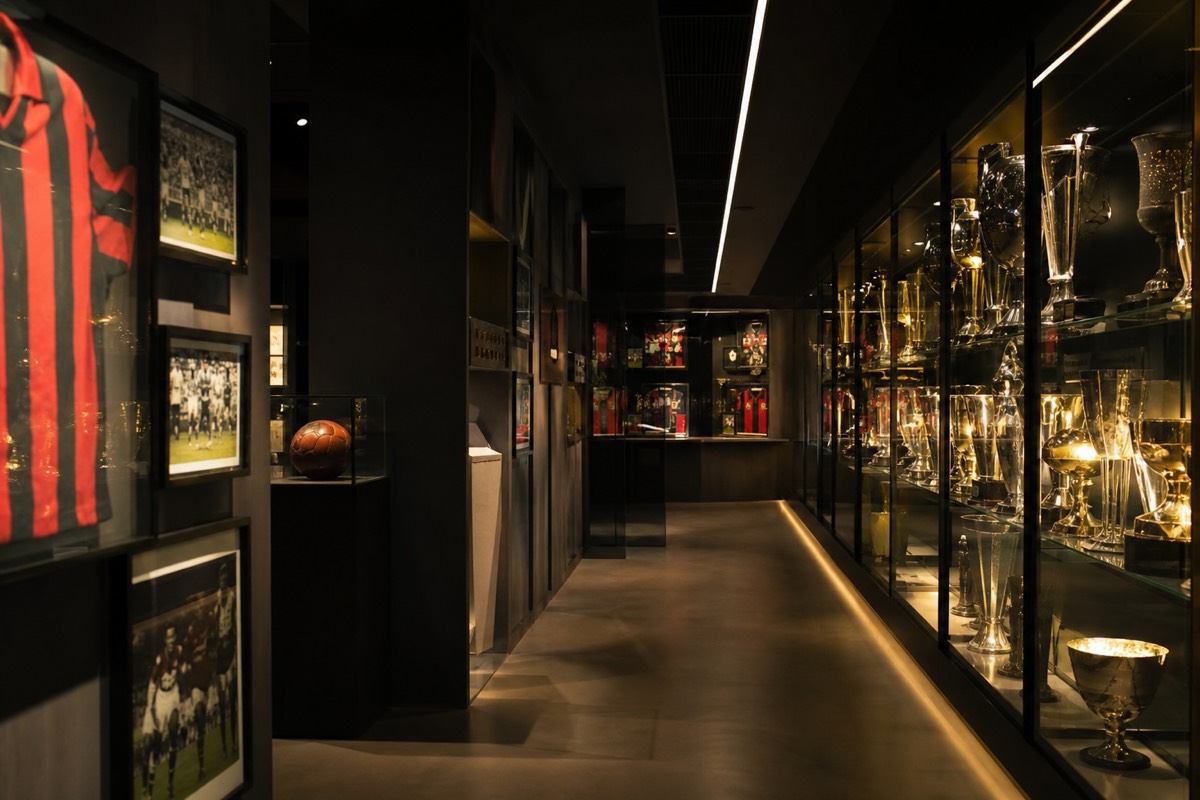
Most visitors arrive at Anfield thinking about the pitch and the players' tunnel, and leave talking about the museum. The trophy cabinet, the interactive displays and more than 130 years of club history sit inside The Liverpool FC Story, the interactive museum in the Anfield Road end of the ground. It comes bundled with the standard stadium tour, and it is where the whole visit tends to land emotionally. This guide from the team behind the Liverpool Stadium Tour covers what is inside, how the museum and the guided walk fit together, what silverware is on show, and how much time to set aside.
Liverpool FC major honours in the cabinet
Liverpool's major honours as displayed at Anfield. The museum holds the definitive, current record; silverware occasionally travels, so the exact pieces on show can vary by day.
What is The Liverpool FC Story museum at Anfield?
The Liverpool FC Story is the club's own interactive museum, set inside the Anfield Road end of the stadium. It carries the history of Liverpool FC from the 1892 founding through to the modern era, mixes memorabilia with hands-on exhibits, and finishes at the trophy cabinet. Entry is included with the standard stadium tour ticket.
Think of it as the storytelling half of the visit. The guided tour puts you in the physical spaces, the dressing rooms, the tunnel, the pitchside, and the museum fills in the context around them: who walked those spaces, what they won, and why a football ground on Merseyside became one of the most visited sports venues on earth. The two halves are designed to be done together, and most people move through the museum at their own pace either before or after the guided portion.
Anfield opened in 1884 and has been the club's home for all but one year of its history. The museum's job is to compress that span into a walkable route: photographs, match footage, shirts, boots, banners and interactive stations that let you dig into eras and players rather than just read plaques. It is self-guided, so you set the depth. Some visitors give it a brisk twenty minutes, others lose an hour without noticing.
Is the LFC museum included in the Anfield stadium tour?
Yes. Museum entry is bundled into the standard stadium tour ticket, so you never pay for it twice. You can also visit the museum on its own, which costs less but skips the tunnel, pitchside, dressing rooms and the rest of the behind-the-scenes access. For most first-time visitors the combined tour and museum ticket is the one that makes sense.
The distinction matters when you are deciding what to book. If you want to stand where the players stand and hear the stories from a guide, you want the stadium tour, and the museum comes free with it. If you are short on time, travelling with someone who cannot manage stairs, or simply want the history without the full walk, museum-only entry is a cheaper, lower-commitment option. It is worth weighing this against a full look at the Anfield tour options compared before you buy.
| Option | Behind-the-scenes access | Guide | Museum | Typical time | Best for |
|---|---|---|---|---|---|
| Stadium tour + museum | Tunnel, pitchside, both dressing rooms, press room, the Kop | Yes, led | Included, self-paced | About 2 hours | First-timers and fans who want the full experience |
| Museum only | None of the pitch-side areas | Self-guided | The full museum | 30 to 60 minutes | Short visits, limited mobility, history-first visitors |
Prices move with season and demand, so treat any figure you see quoted elsewhere as a guide rather than a fixed number. The standard adult stadium tour ticket sits at around GBP 26, and it includes the museum. For the exact current price of either the combined ticket or museum-only entry, check the live listing before you book. A fuller breakdown lives in our guide to Anfield stadium tour tickets and prices.
What is inside the LFC museum: the main exhibits
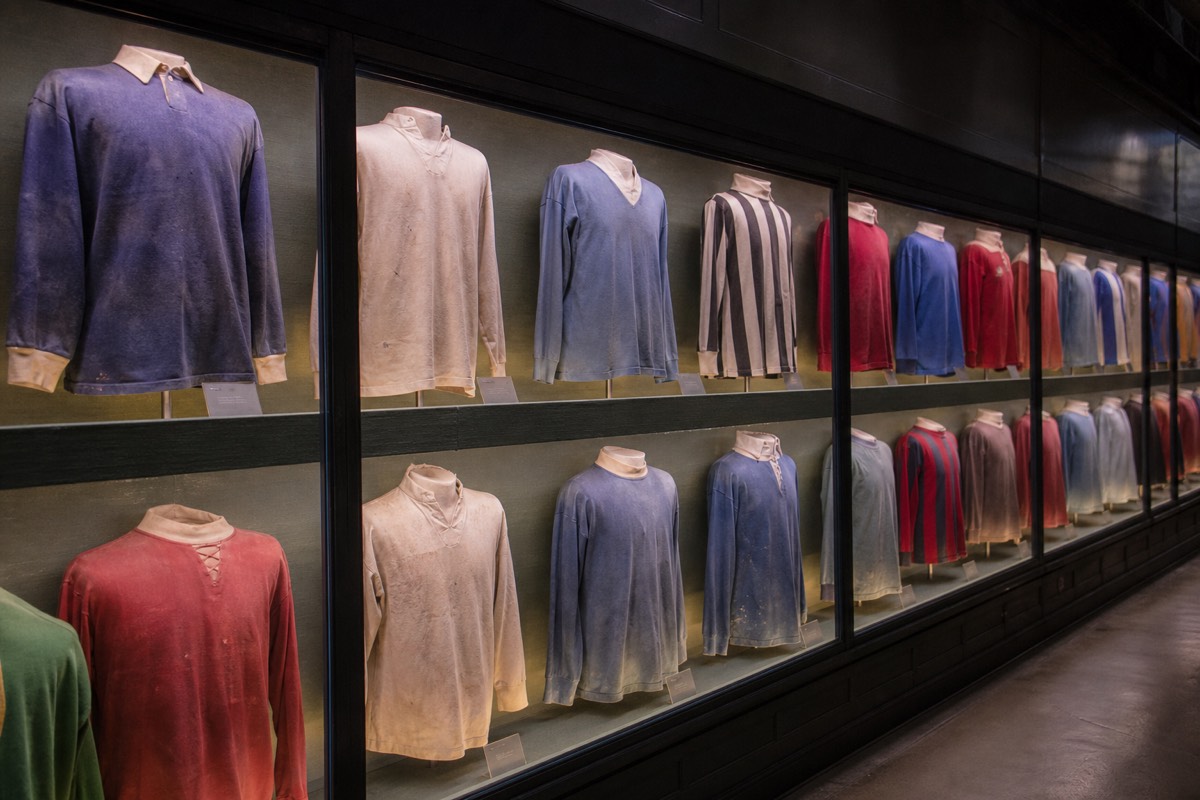
The museum runs as a route through the club's story, ending at the silverware. Expect memorabilia and shirts, interactive stations that let you explore matches and players, a section on the Kop as a supporter culture, the story of the "This Is Anfield" sign, and the trophy cabinet as the finale. It is self-paced, so you choose where to slow down.
The exhibits are built to reward attention rather than a walk-through glance. Physical memorabilia sits alongside screens and hands-on displays, so you can either read the highlights or dig into a specific decade. The interactive elements are the part younger visitors gravitate to, and the older displays, the shirts and boots and match programmes, are what long-time supporters tend to stand in front of longest.
| What you find | What it covers |
|---|---|
| Memorabilia and shirts | Match-worn kit, boots, programmes and objects across the club's history |
| Interactive stations | Screens and hands-on displays to explore eras, matches and players at your own depth |
| The Kop and supporter culture | How the terrace, its banners and "You'll Never Walk Alone" became part of the club's identity |
| The "This Is Anfield" story | The sign Shankly put up in 1974 and the tradition that grew around it |
| The trophy cabinet | The club's major honours, displayed chronologically, as the finish of the route |
The anthem is a good example of how the museum joins the dots. "You'll Never Walk Alone" was adopted by the club from Gerry and the Pacemakers in 1963, and it is the thread that runs from the Kop displays to the banners to the trophy years. Once you have stood in the empty Kop on the tour and then read how its culture formed in the museum, the two reinforce each other in a way neither does alone.
The trophy cabinet: what silverware is on display?
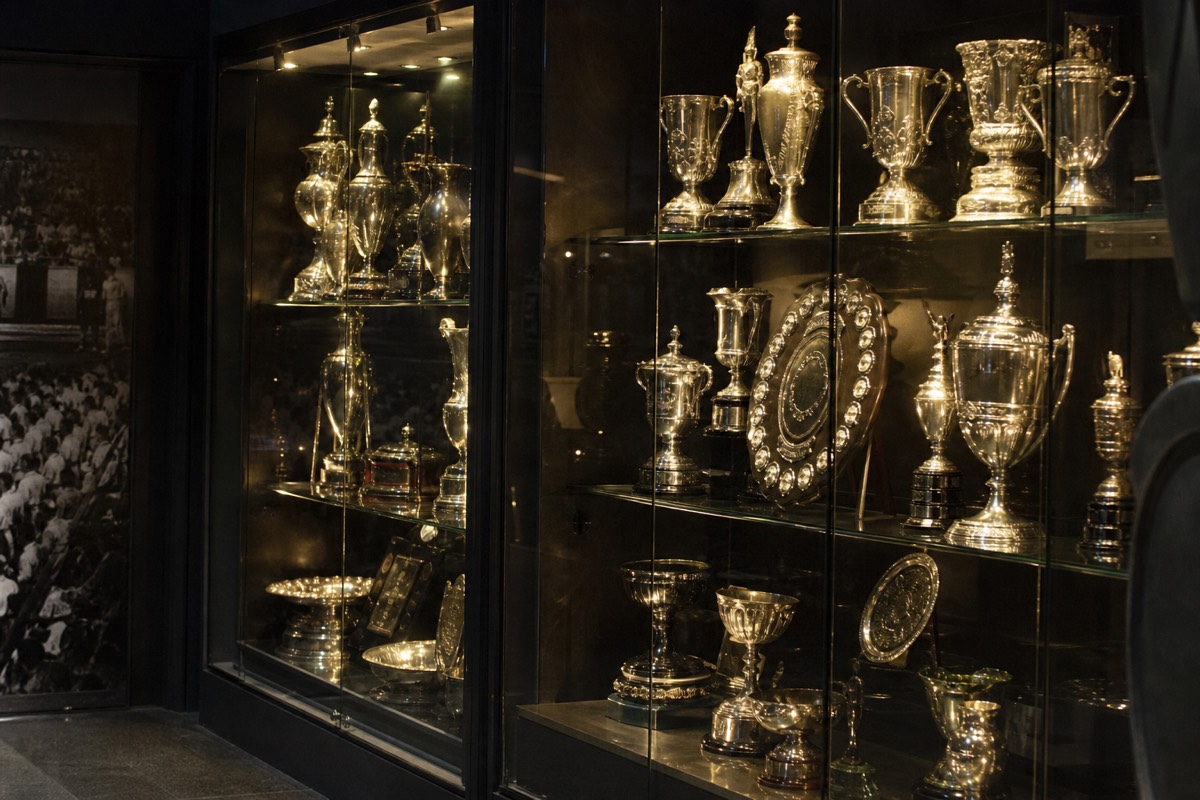
The trophy cabinet is the close the visit earns, and it is heavy. Liverpool's honours include six European Cups, twenty English league titles, a record run of League Cups, eight FA Cups and a spread of European and world trophies. They are laid out chronologically, so you walk the club's success decade by decade rather than as a pile.
The guides who run the stadium tour walk groups through the stories attached to the biggest pieces, and the museum lets you linger on them at your own pace. Three moments carry the room. The 1965 FA Cup ended a 73-year wait for the trophy. The 1977 European Cup began a run of continental dominance that is still the backbone of the cabinet. And the 2019 Champions League, won in Madrid, is the modern trophy that most visitors reach for their phones in front of.
| Competition | Times won | In the cabinet |
|---|---|---|
| European Cup / Champions League | 6 | 1977, 1978, 1981, 1984, 2005, 2019 |
| English league title | 20 | First in 1901, most recently the 2024 to 2025 season |
| League Cup | 10 (a record) | Most recently 2024 |
| FA Cup | 8 | 1965 ended a 73-year wait; most recently 2022 |
| UEFA Cup / Europa League | 3 | 1973, 1976, 2001 |
| UEFA Super Cup | 4 | 1977, 2001, 2005, 2019 |
| FIFA Club World Cup | 1 | 2019 |
One honest note on the cabinet: the displays are the definitive, current record, and real silverware occasionally travels for events, so the exact pieces on show can vary on any given day. What does not change is the shape of the story, six European Cups and a domestic haul that puts Liverpool among the most decorated clubs in England. The 2005 final in Istanbul, three goals down at half time and level by the end, is the one the guides describe with the least professional detachment, and the museum gives it the space it deserves.
How the museum tells 130+ years of Liverpool FC history
The route is chronological, from the 1892 founding to the current era. It moves through the early league titles, the Shankly rebuild of the 1960s, the European dominance of the late 1970s and 1980s, the drama of Istanbul in 2005, and the modern Champions League and Premier League wins. Interactive stations let you drop into any era in detail.
The value of doing the museum after the guided tour is that the physical spaces are already in your head. When you read about the 1977 European Cup, you have just stood in the tunnel those players walked through. When you reach the Kop displays, you have already stood in the empty terrace looking down the pitch. The chronology below is the spine of what the museum covers.

| Year | Milestone the museum covers |
|---|---|
| 1884 | Anfield opens as a football ground |
| 1892 | Liverpool FC is founded |
| 1901 | The club's first league title |
| 1959 to 1974 | The Bill Shankly era rebuilds the club |
| 1963 | "You'll Never Walk Alone" is adopted as the anthem |
| 1965 | A first FA Cup, ending a 73-year wait |
| 1974 | The "This Is Anfield" sign is installed |
| 1977 to 1984 | Four European Cups in eight years |
| 2005 | The Champions League won in Istanbul |
| 2019 to 2025 | A sixth European Cup, then Premier League titles in 2020 and 2025 |
The Shankly section carries particular weight because so much of what visitors recognise about Anfield traces back to him. The "This Is Anfield" sign above the tunnel exit, which he installed in 1974 as a message to his own players and to visiting sides, is explained in the museum and then experienced on the tour. The city's tourism board, Visit Liverpool, lists the stadium and museum among the city's headline attractions for exactly this reason: the history is not abstract once you are standing in it.
How long should you spend in the LFC museum?
Allow 30 to 45 minutes for the museum on top of the 60 to 70 minute guided tour. That puts a full Anfield visit at around two hours for most people. History-first visitors and families with curious children easily spend an hour in the museum; a quick pass through the highlights takes about twenty minutes.
Because the museum is self-paced and included, it is the flexible part of the day. You can front-load it before the guided walk if you arrive early, or save it for after, when you can sit with the trophy displays for as long as you like without a group moving on. Our blog on how long the Anfield stadium tour takes breaks the timings down stop by stop.
| Visitor | Museum time to allow | Whole visit |
|---|---|---|
| Quick pass, highlights only | About 20 minutes | About 90 minutes |
| Typical first-time visitor | 30 to 45 minutes | About 2 hours |
| History-first fan or family | 45 to 60 minutes | 2 to 2.5 hours |
If you are building a wider day in the city, the maths is worth doing in advance. An early stadium tour slot frees the rest of the day, and factoring the museum into your two-hour window keeps the plan honest. That planning is easier once you have picked a slot, which you can do from the main Anfield stadium tour page.
Museum opening times, tickets and how to visit
The museum runs on the stadium's timed-entry system, most days outside match days. Buy ahead rather than on the day, arrive 15 to 30 minutes before your slot, and check the official schedule for restricted dates. On match days the museum and tour are limited or closed, so a non-match weekday gives you the calmest visit.
Opening hours shift with the season and the fixture list, so the club's own page is the source of truth. The official Liverpool FC stadium tours page publishes current times and flags dates where access is restricted for a match. Book a time slot online before you travel; the popular weekend and school-holiday slots fill first, and walk-up availability cannot be relied on. For the quietest run at the interactive stations and the trophy cabinet, an early slot on a non-match weekday is the move, as we set out in the guide to Anfield opening times and the best time to visit.
Accessibility is worth flagging when you book. The tour has lift access to the tunnel and pitchside, but the dressing rooms involve steps, and parts of the route are not fully step-free. The museum covers more of its content on an accessible route than the pitch-side areas do, which is one more reason museum-only entry suits visitors with limited mobility. Tell the booking team in advance if you need step-free assistance so they can prepare the route.
Who the LFC museum suits, and what to prioritise if time is tight
The museum rewards anyone with a passing interest in the club and repays serious fans in full. If you have only twenty minutes, go straight for the trophy cabinet, the European Cup years and the Kop displays. If you have an hour, work the route in order so the history builds rather than arriving as a highlights reel.
Here is what the team tells visitors who are trying to get the most from a short window. Do the guided tour first so the spaces are fresh, then let the museum land the context. The three things people most regret rushing are the trophy cabinet, the "This Is Anfield" story and the section on the Kop, because those are the three that connect directly to what you just walked through. Everything else is a bonus you can dip into as time allows.
| If you have | Prioritise |
|---|---|
| 20 minutes | The trophy cabinet, the European Cup years, the Kop displays |
| 40 minutes | Add the Shankly era and the interactive stations |
| An hour or more | Work the full chronological route from 1892 onward |
For a sense of whether the whole visit lands for you, our readers find the honest verdict in is the Anfield stadium tour worth it useful, and the practical detail of what the ticket actually covers sits in what is included in the Liverpool stadium tour. When you are ready to pick a date, the official Anfield tour page has live time slots and today's price.
The ground has grown around that history, and our Anfield capacity and stands guide shows how each expansion added seats.