Anfield Seating Plan & Best Seats
The Anfield seating plan explained stand by stand: where the best views are, which seats to think twice about, what the view from your seat looks like, and which parts of the ground the tour actually reaches.
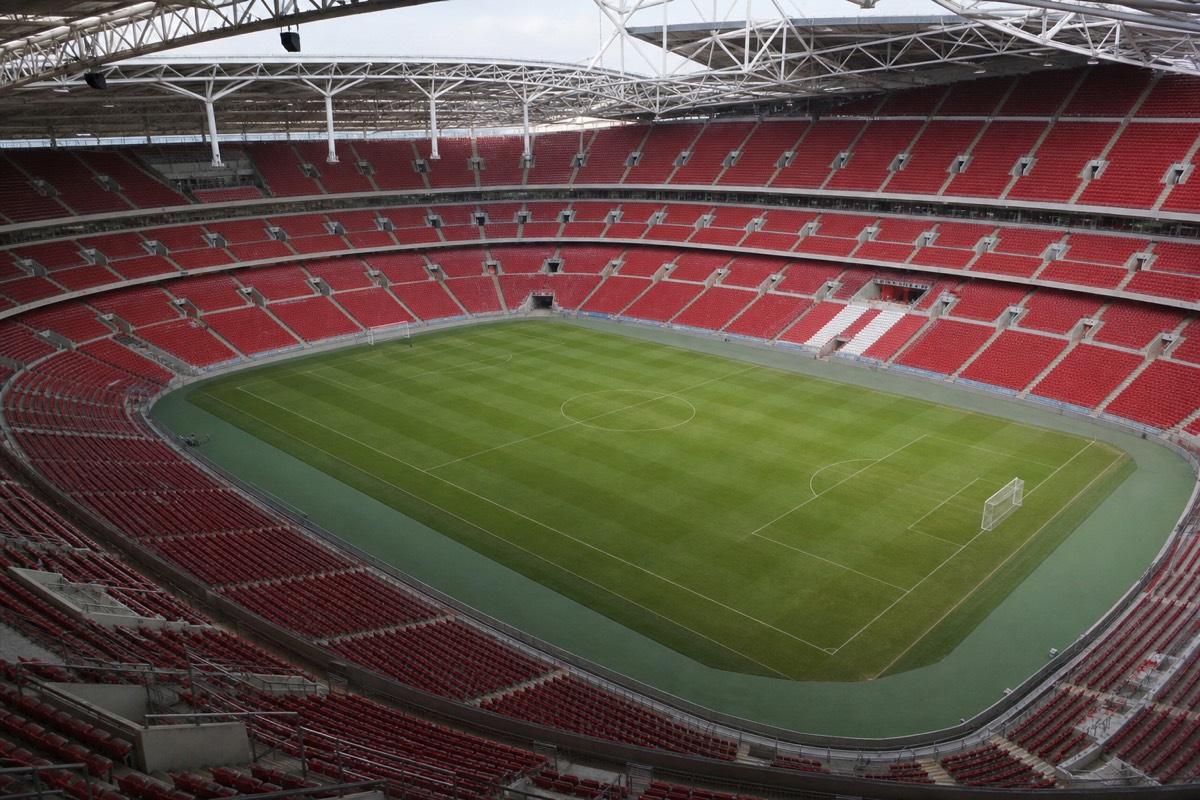
Anfield wraps four stands tightly around the pitch, and where you sit changes the day completely. The Kop puts you inside the noise, the Main Stand lifts you high and central, and the two ends look straight down the length of the grass. This guide maps the whole ground stand by stand, points to the best seats, is honest about the ones to think twice about, and explains which parts of the bowl you can actually reach on Liverpool Stadium Tour.
The Anfield seating plan at a glance
Four stands around the pitch, 61,276 seats. The Kop is the single-tier home end; away fans sit in the Anfield Road lower tier. Capacities are approximate.
What does the Anfield seating plan look like?
The Anfield seating plan is a tight rectangle of four stands: the three-tier Main Stand down one side, the two-tier Sir Kenny Dalglish Stand opposite it, the single-tier Kop at one end, and the two-tier Anfield Road Stand at the other. Together they seat 61,276, with away fans in the Anfield Road lower tier.
Because the stands sit close to the touchlines with steep rakes, almost every seat feels near the action for a ground of this size. The schematic above shows the layout at a glance: the Main Stand and the Sir Kenny Dalglish Stand run the length of the pitch on either side, while the Kop and the Anfield Road end sit behind each goal. The table below sets out the tiers and the rough size of each stand, and our companion guide breaks down how the capacity splits across the four stands in more detail.
| Stand | Position | Tiers | Approx. seats | Best for |
|---|---|---|---|---|
| Main Stand | Side, west | Three | ~20,500 | Elevated central views, hospitality |
| Sir Kenny Dalglish Stand | Side, east | Two | ~11,400 | Long side views, families |
| The Kop | Behind south goal | One | 12,850 | Atmosphere, singing, home support |
| Anfield Road Stand | Behind north goal | Two | ~16,100 | High modern views, away allocation (lower) |
How do the tiers in the Anfield seating plan work?
Three of Anfield's four stands are split into tiers, and the tier you sit in changes both your height above the pitch and your distance from it. The Main Stand has three tiers, the Anfield Road Stand and the Sir Kenny Dalglish Stand have two each, and only the Kop is a single unbroken tier.
Tiers are the quickest way to read a seating plan. A lower tier puts you close to pitch level, which feels immediate and loud but flattens the view of the far side of the pitch. An upper tier lifts you high enough to see the shape of the game, at the cost of distance from the players. Where a stand has a middle tier, as the Main Stand does, that is often the sweet spot: high enough to read the play, close enough to still feel part of it.

The Kop is deliberately the exception. Keeping it as one continuous single tier, rather than splitting it into stacked decks, is what protects its noise and its character, so height there is less about the view and more about how far up the singing bank you want to be. When you plan a visit, it helps to decide first whether you are chasing the cleanest view or the strongest feeling, then pick the tier to match.
Where are the best seats at Anfield?
For a balanced view of the play, the best seats are in the Main Stand around the halfway line, ideally in the lower or middle tier where you are high enough to read the game but close enough to feel it. For atmosphere over sightline, the Kop is unbeatable. There is no single best seat; it depends on what you came for.
Think of it as a trade-off between view and feeling. The Main Stand is the tallest and most central, so its lower and middle tiers near halfway give the cleanest tactical view of both penalty areas. The Sir Kenny Dalglish Stand mirrors that from the opposite touchline at a lower height, which suits families and anyone who wants a side-on view without paying Main Stand prices. Behind the goals, the Kop trades the perfect angle for the best noise in the ground, while the Anfield Road upper tier gives a high, wide, modern view from the newest part of the stadium.
Neutrals and first-time visitors almost always end up happiest on the sides. A halfway-line seat on either touchline sees both penalty areas at a square angle, so nothing is foreshortened and you follow the play cleanly end to end. Supporters who care more about being part of the crowd than about the perfect angle lean the other way and take the Kop, where the view is behind-goal but the experience is the loudest in the ground. There is no wrong answer, only a different priority.
The comparison below frames each option as planning guidance rather than a fixed rule, since the right seat depends on whether you are chasing the view, the atmosphere or the price.
| Area | View | Atmosphere | Who it suits |
|---|---|---|---|
| Main Stand, lower/middle, near halfway | Best balanced sightline | Good | First-timers wanting the classic view |
| Sir Kenny Dalglish Stand, halfway | Strong side-on view, lower height | Solid | Families, value seekers |
| The Kop, central lower rows | Behind-goal angle | The loudest in the ground | Supporters chasing the noise |
| Anfield Road upper tier | High, wide, modern | Building since the rebuild | Those who like an elevated overview |
What is the view from your seat in each stand?
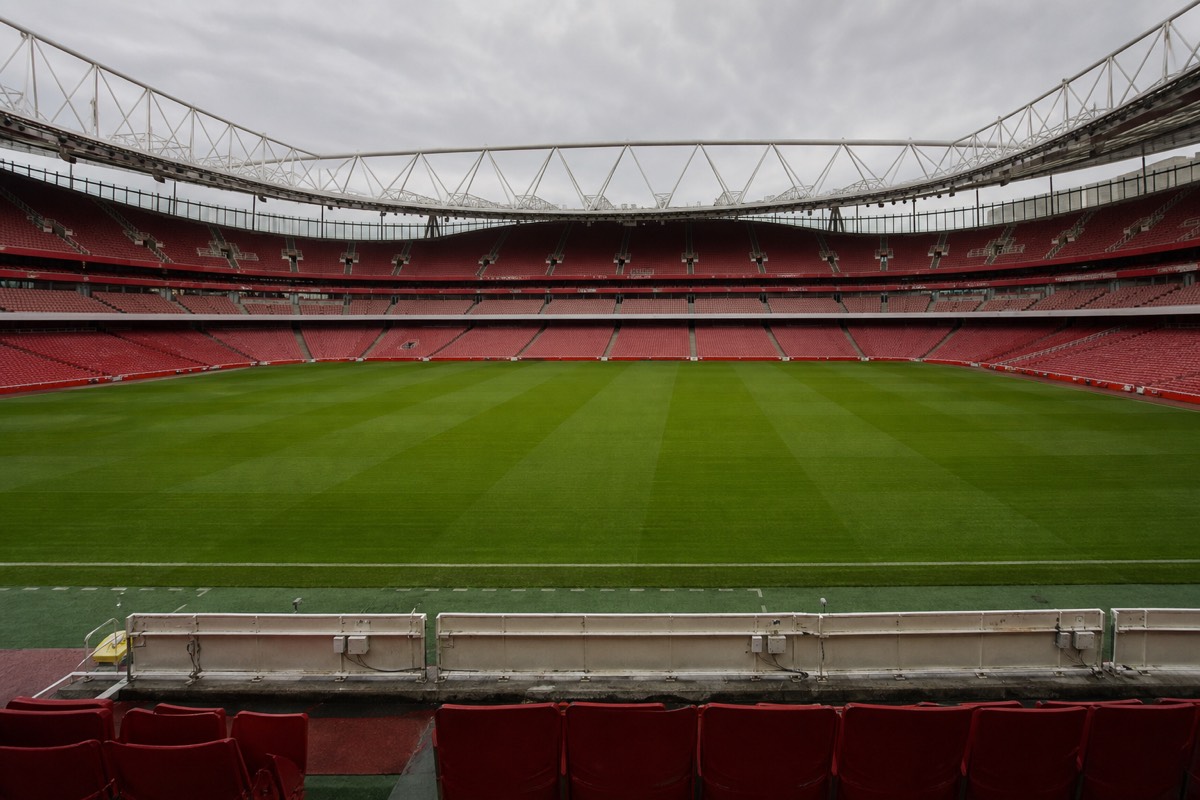
Side stands like the Main Stand and Sir Kenny Dalglish Stand give you the full length of the pitch across your view, while the Kop and Anfield Road ends look straight down the field toward the far goal. Height matters as much as position: higher rows widen the view, lower rows put you closer to the players.
Two simple sightline rules explain most of the difference between seats. First, side versus end: a seat on the side sees both goals square-on, which is why neutrals and first-timers usually prefer the Main Stand or the Sir Kenny Dalglish Stand, while an end seat gives you the drama of an attack coming straight at you but a foreshortened view of play at the far end. Second, height: the higher the tier, the more of the pitch you take in at once, at the cost of feeling slightly further from the action.
| Stand | What you see | Sightline notes |
|---|---|---|
| Main Stand | Full pitch length, both boxes | Three tiers; upper rows are high and wide, lower rows are close and steep |
| Sir Kenny Dalglish Stand | Full pitch length from the far side | Two tiers at a lower overall height than the Main Stand |
| The Kop | Straight down the pitch to the far goal | Single tier; end-on view with unmatched atmosphere |
| Anfield Road Stand | Down the pitch from the opposite end | Two tiers; the upper tier gives the highest wide view in the ground |
There is one more thing height changes that a seating plan alone will not tell you: how the crowd around you behaves. Lower-tier seats, especially behind the goals, are where supporters are most likely to stand and sing for long stretches, so a nominally close seat can end up with heads in front of it. Higher tiers tend to stay seated, which trades a little atmosphere for a steadier view. Neither is better; it depends on whether you want to watch the game or be in it.
The one view no seat map can hand you is the one from the middle of the pitch. That is what a tour gives you instead: you stand pitchside, sit in the dugout and look up at all four stands from ground level, which is a completely different perspective from any spectator seat. Our look at whether you really go pitchside and into the dressing rooms covers that part in detail.
Which seats should you avoid at Anfield?
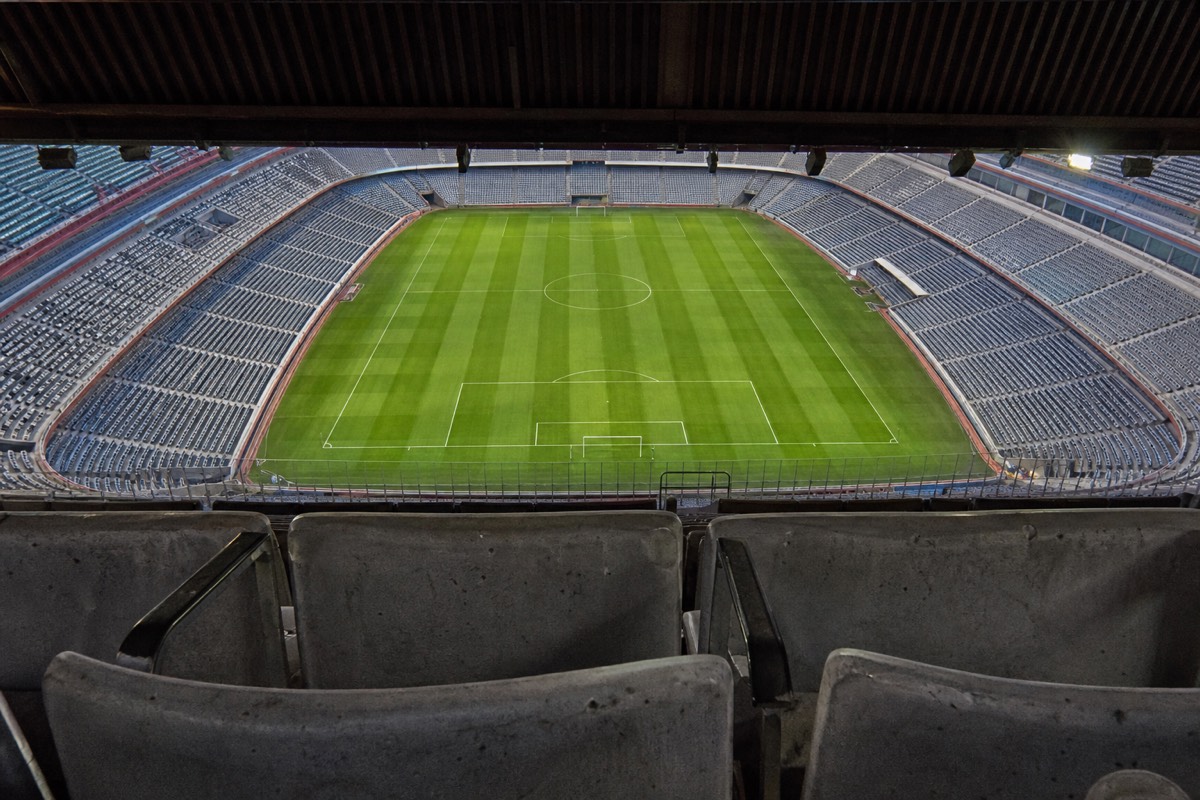
The seats worth thinking twice about are the very front rows of the lower tiers, where a low angle flattens the far side of play, the extreme corners where the pitch is sharply angled, and the back rows of any upper tier, which are the furthest seats in the house. None are bad, but each has a trade-off.
Anfield's two recent rebuilds removed most of the genuinely restricted-view seats that older grounds still have, so this is less about pillars and more about angles and distance. Front-row lower-tier seats put you thrillingly close to the near touchline, but the flat angle makes the far side of the pitch harder to read and other spectators can block sightlines when the crowd stands. Corner seats bend your view of the near goal. And the highest back rows, while they offer the widest overview, are simply the longest way from the grass.
| Seat type | The trade-off | Better if you want |
|---|---|---|
| Front rows, lower tier | Close but flat; far side is foreshortened | A few rows back for a cleaner angle |
| Extreme corner seats | Angled view of the nearest goal | A more central block on the same tier |
| Back rows, upper tier | Widest view but furthest from play | A middle tier or lower rows for closeness |
| Behind-goal lower, far rows | Play at the far end looks distant | A side stand for a square-on view |
Treat all of this as planning guidance rather than a warning; there are no truly poor seats at Anfield, only different priorities. If you are choosing between a match seat and a behind-the-scenes visit, our comparison of a stadium tour against a matchday seat weighs the two experiences side by side.
Where do away fans sit in the Anfield seating plan?
Away supporters are allocated the lower tier of the Anfield Road Stand, behind the north goal, at the opposite end from the Kop. The upper tier of that stand, added in the 2024 expansion, is home seating, so the away section sits low and central behind the goal.
Housing away fans behind one goal is standard across English football, and at Anfield that end is the Anfield Road Stand. Placing them in the lower tier keeps the visiting support together and away from the home ends, with home supporters filling the rest of the ground. The Kop, at the far end, is the heart of the home crowd, which is why the two sets of fans sing at each other the length of the pitch. If you are visiting rather than following an away side, none of this affects a tour: the stadium tour is a non-match experience, and you can read how it differs from a matchday in our dedicated comparison.
Where is the best atmosphere at Anfield?
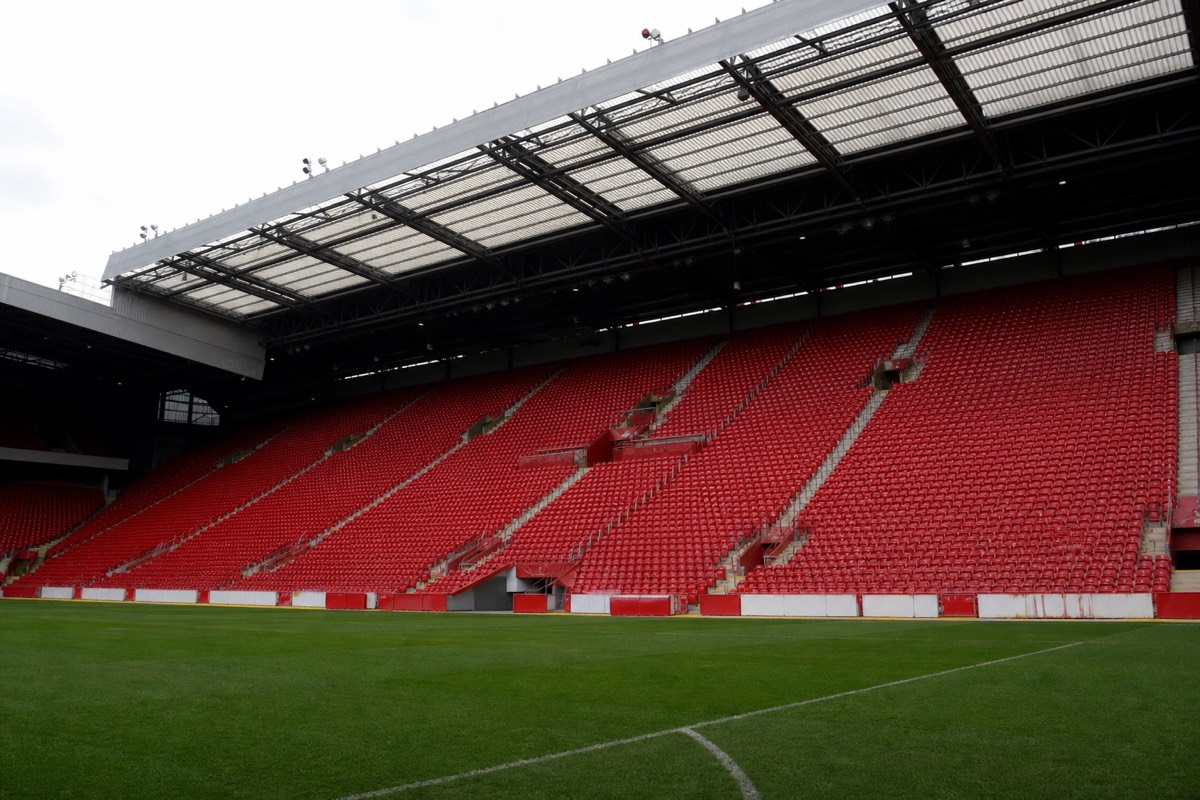
The Kop is the loudest, most atmospheric part of Anfield, a single-tier home end holding 12,850 with no upper deck to break the sound. It is where the crowd sings "You'll Never Walk Alone" before kick-off, and its steep single sweep funnels the noise straight onto the pitch.
The Kop's atmosphere is not an accident of tradition alone; it is partly architecture. Because it is a single tier rather than stacked decks, the whole home end rises in one unbroken bank, and sound has nowhere to disperse upward. Liverpool took "You'll Never Walk Alone" as its anthem in 1963, and hearing it swell across the Kop is, for many supporters, the single reason to sit at that end. The Main Stand and the Sir Kenny Dalglish Stand add their own noise, and the rebuilt Anfield Road end has been growing louder as home fans settle into the new upper tier.
On a tour you do not hear the anthem, but you do get to stand in the empty Kop and see exactly why it sounds the way it does. Standing at the front of a silent, empty home end and looking down the pitch is one of the quiet highlights that visitors mention most. To plan the visit around the calmest, fullest version of the route, our guide to what a tour ticket costs and the practical notes on getting to the ground cover the logistics.
Which seats and areas does the stadium tour reach?
The stadium tour does not seat you in the stands; it takes you into the areas a match ticket never reaches, plus the pitch edge and the Kop. You walk the players' tunnel, stand pitchside and sit in the home dugout, see both dressing rooms and the press room, stand in the Kop, and finish at the trophy room and museum.
This is the honest distinction for anyone using a seating plan to plan a visit. A seating plan is a matchday tool: it helps you pick a spectator seat for a game. The tour is a different product entirely, run most days outside fixtures and lasting roughly 70 to 90 minutes, and it trades the view from a seat for access to the ground's working spaces. You can read everything the guided route covers in our full breakdown, and decide whether it earns a place in your trip in our take on whether the tour is worth it.
| Area | Reachable on the tour? | Note |
|---|---|---|
| The Kop | Yes, standing | Stand in the empty home end and look down the pitch |
| Pitchside and the home dugout | Yes | Ground-level view up at all four stands; sit in the dugout for photos |
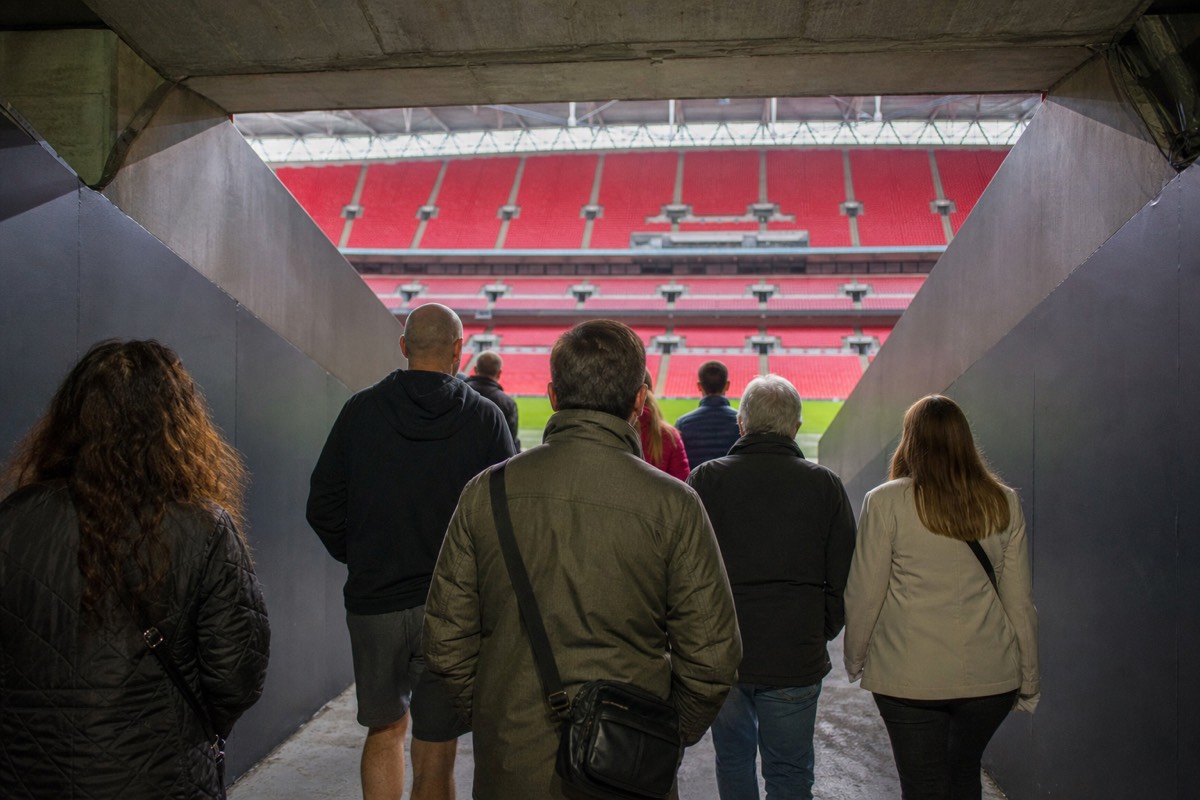
| Players' tunnel | Yes | Walk out toward the pitch past the "This Is Anfield" sign |
| Main Stand behind-the-scenes | Yes | Dressing rooms, press room and tunnel all sit within the Main Stand |
| Upper-tier spectator seats | No | Reached with a match ticket, not on the tour |
| Away section, Anfield Road lower tier | No | A matchday allocation, not part of the route |
So if your goal is the view from a specific seat, you want a match ticket and a seating plan. If your goal is to stand on the Kop, walk the tunnel and see the pitch from the dugout, that is the tour, and you can book the official Anfield tour and check live slots on the official stadium tour pages or on the live listing. Either way, the Anfield seating plan and the tour together give you the full picture of the ground; the stadium's full stadium record fills in the history behind each stand.